
A European Consumer Perception Study by Cosmetics Europe found that 72% of consumers consider cosmetics and personal care products to be “very important” in daily life. This significance extends beyond aesthetics. The study adds that 71% of consumers perceive cosmetics as essential in improving their quality of life, and for 70% in boosting their self- esteem.
Each product represents a choice, and increasingly, consumers are making those choices with intention: they want to know that the ingredients in their daily products are sourced responsibly and with respect for people and the planet.
This is where sustainable palm oil enters the picture. Palm oil, palm kernel oil and/or derivatives appear in approximately 70% of cosmetics. The Roundtable on Sustainable Palm Oil (RSPO), helps companies in this sector produce and procure sustainable oil palm products that have tangible environmental and social positive impacts.
Self-Esteem and Emotional Wellbeing
Personal hygiene is not a luxury but a fundamental component of health and dignity. Cosmetics and personal care products help maintain a good quality of life, particularly through everyday products such as cleansers and body care items that support basic hygiene.
These products are part of daily routines for many consumers. In Europe, the average woman uses nine cosmetic products daily, from cleansers and shampoos to skincare and colour cosmetics. The connection between personal care rituals and emotional wellbeing is particularly pronounced for women, who often use beauty and skincare routines as moments of self-care. For women managing work, family, and personal commitments, these products support not just physical cleanliness but also the confidence to engage fully in daily life.
Several studies have shown that personal care products also play an important psychological role. Research reveals that cosmetics not only enhance appearance but also stimulate emotional responses that boost self-esteem and confidence. When people choose products with responsibly sourced ingredients, that choice becomes an affirmation of their own wellbeing standards. True confidence comes not just from the product itself, but from feeling good about the choice they’ve made.
When brands commit to certified sustainable palm oil sourcing, they not only support responsible production and communities at the point of origin, but also communicate respect for consumers’ values and growing desire to choose products that align with their values.
Community wellbeing beyond the product
In a sustainable supply chain, personal care routines can extend beyond individual wellbeing into community wellbeing. Leading cosmetics brands and RSPO Members are translating this commitment into tangible community support. The Estée Lauder Companies Charitable Foundation supports the Mosaik Initiative in Central Kalimantan, Indonesia, which works directly with local communities on forest conservation and sustainable livelihoods, while simultaneously partnering on HERrespect, a comprehensive initiative designed to protect women’s safety and dignity in the palm oil supply chain.
This collaborative spirit extends to smaller, purpose-driven brands as well. The Somerset Toiletry Company, whose founder has personally witnessed the transformation in palm-growing communities, elaborates: "Our partnership with the RSPO reflects a belief that sustainable sourcing can empower communities. We celebrate the women across palm-growing regions whose expertise and entrepreneurship strengthen both livelihoods and sustainability.”
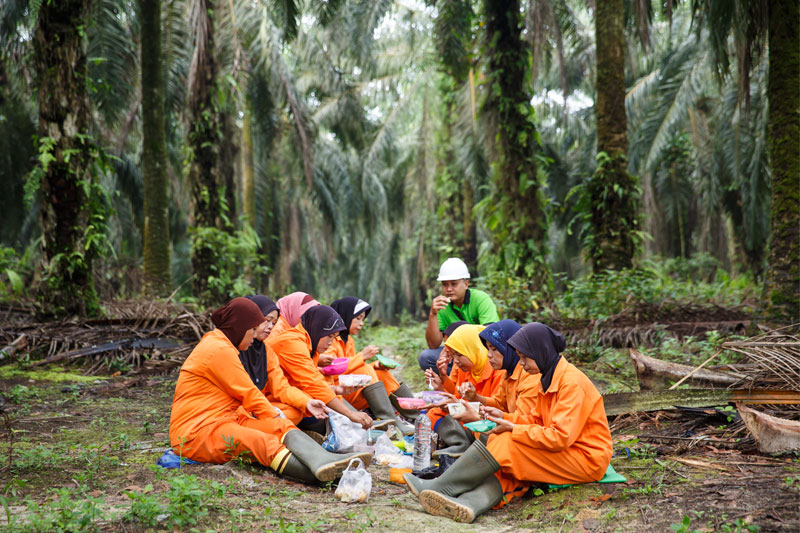
Behind everyday products are companies at the start of the supply chain, who actively support the health and wellbeing of the people who cultivate the raw ingredients. Mano Palm Oil Plantation in Liberia has long prioritised the healthcare of its employees, their families and the extended community. Its on-site clinic operates 24/7. Departments include an emergency room, HIV care, outpatient day care, pharmacy, vaccine administration and maternity and child health services where women give birth free of charge. Patients also benefit from nutritious meals, free medications, and safe transport to hospitals when needed, reflecting a commitment that extends far beyond standard workplace requirements of the RSPO.
Another clinic, Twifo Oil Palm Plantations in Ghana, 69% of its patients are non-employees. Besides the daily clinic services, the clinic has actively conducted malaria screenings in local schools and participated in community health outreach programmes, including Menstrual Hygiene Day and Breast Cancer Awareness campaigns. Sustainable palm oil is not just about responsible sourcing or environmental sustainability - community wellbeing is also at the core.
When brands and, in turn, consumers choose quality personal care products made with certified sustainable palm oil, they are making a choice that extends far beyond themselves. It’s a choice that says: personal wellbeing matters, the wellbeing of people producing the ingredients matters, and the future of sustainable, inclusive communities also matters.
If you’d like to know more about sourcing sustainable palm oil products, get in touch with the RSPO at info.eu@rspo.org.


