
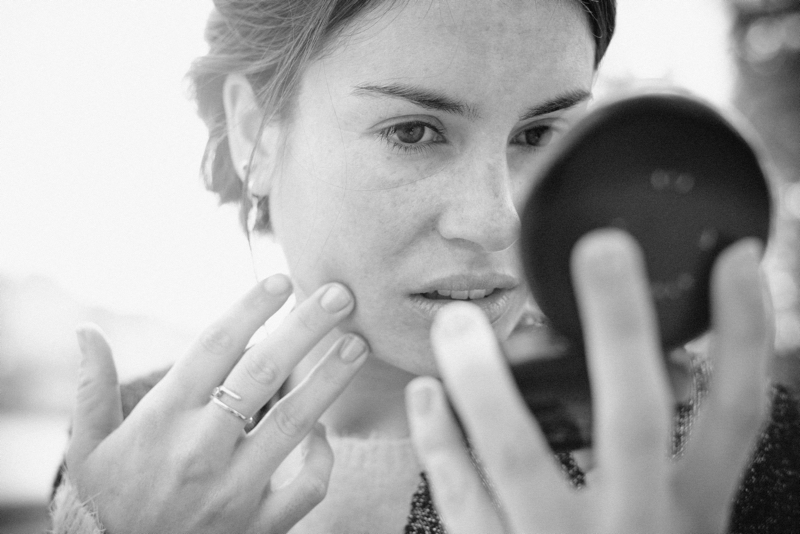
Cosmetic products play a vital role in the daily lives of millions, providing not only aesthetic benefits but also emotional and psychological support.
As the demand for innovation and rapid market entry grows, many companies feel pressured to cut costs, often by reducing or bypassing essential product testing.
In particular, testing the claims made on packaging has become an area where shortcuts are frequently taken.
Although this may seem like a cost-saving move in the short term, it ultimately proves to be a false economy with potentially harmful consequences for the brand, consumers, and the industry as a whole.
Trust and safety in the cosmetics industry
The cosmetics industry depends on consumer trust, which relies on the safety and effectiveness of its products.
Claims like ‘clinically proven’ or ‘anti- ageing’ serve as powerful marketing tools that build consumer confidence.
For formulators, suppliers and technology developers, the Cosmetics Business Innovation Awards spotlight the kind of genuine innovation that drives the next generation of beauty products and systems. Entries open now!
However, when these claims are not properly backed by scientific evidence, they can result in consumer disappointment, product failure, and ultimately, damage a brand’s reputation.
In an era dominated by social media, consumer reviews, and online forums, the risks have never been greater.


