

TikTok has changed beauty forever. The platform – the first truly all-in-one app, social-to-commerce ecosystem outside of China – has reinvented the way people discover, share, learn and buy beauty products.
TikTok and TikTok Shop are now where diverse beauty cultures and trends happen, whether legacy brands like it or not.
If you are serious about driving sales on Black Friday (28 November 2025), and beyond, then TikTok Shop should be part of your growth strategy.
It is no wonder that UK supermarket M&S has just joined the platform, and started with beauty products first.
TikTok is constantly feeding consumer curiosity and novelty, driving inspiration through visible transformation, and building communities through creators, content and sellers.
Most importantly, it is delivering frictionless purchase through shoppable videos, lives and shop tabs.
That combination of entertainment, content and commerce means TikTok sells people the products they did not know they wanted, or even knew existed.
The platform is the UK’s fourth-largest beauty retailer, with searches for beauty-related terms at four billion and growing year-on-year
The algorithm does not just show what is popular, it predicts what will convert, and brings relevant creator and affiliate content to each user.
#TikTokMadeMeBuyIt works as a brilliant product showcase, but also appeals to the human.
For a category like beauty, it marks a natural evolution in how desire works – less ‘add to basket’ and more ‘add to identity’.
The platform is the UK’s fourth-largest beauty retailer, with searches for beauty-related terms at four billion and growing year-on-year.
While smaller, socially native beauty brands have traditionally dominated Black Friday on TikTok Shop, the platform is working hard to encourage larger brands to harness its powerful sales-driving potential.
Many beauty consumers are not just waiting for Black Friday sales emails either.
They are instead watching creators’ ‘get ready with me’ (GRWM) videos on TikTok, and are being tempted by an increasing number of trend-led beauty products on TikTok Shop.
What beauty brands get wrong on TikTok Shop

The hard truth is that most legacy brands will fail on TikTok Shop – for now.
The platform rewards speed, authenticity and experimentation.
Bureaucracy is the enemy of virality. In large organisations, the blockers to agility are structural and cultural.
They are paralysed by silos: ecommerce may own the checkout; social owns the content; PR owns influencer marketing; performance owns affiliates; and nobody owns the overarching strategy.
TikTok is working to drive up average order values and introducing new formats in a bid to attract premium and legacy brands
The result? Disjointed storefronts, duplicated brand accounts, and campaigns that take weeks to approve, by which point a specific trend or opportunity is dead and your brand looks sluggish.
Crucially, your brand needs to be configured to develop daily content, to engage wholeheartedly with and learn from its community.
Success on TikTok Shop means using all the features the platform has to offer, including discovery, consideration, conversion and advocacy, so as to create an entire brand universe.
Studying the playbook of successful challenger brands is time well spent.
Product assortment (store and product pages, bundles and product strategy, including size variation, travel kits, exclusive product launches, etc), and content (creator, affiliate and lives that build creative worlds via set design and storytelling), are the cornerstones, with marketing and advertising driving empowerment.
TikTok Shop is ready for big brands, but are they ready for it?
Today, relatively few established beauty brands have a TikTok Shop account, even if they are active on TikTok.
They may choose to sell via a specialist retailer, such as Lookfantastic or Cult Beauty, but lose the chance to engage directly with customers and the rich data available to brands with their own shop.
Brands with their own shop also see a ‘halo effect’, with an uplift on ecommerce giant Amazon and direct-to-consumer (DTC) sites, as discovery converts elsewhere.
They also secure insights that power their broader marketing strategies.
However, brands are still holding onto concerns that TikTok Shop is driven by discounting and promotions, and is more of a fit for ‘value-led’ brands and the socially native names such as Made by Mitchell and P.Louise.
While this may have been true a year ago, the platform is changing fast.
TikTok is working to drive up average order values and introducing new formats in a bid to attract premium and legacy brands.
The time has come to challenge yourself to think differently about the platform.
Big brand winners on Tik Tok Shop
Garnier, Maybelline, L’Oréal Paris, Rimmel, e.l.f. Cosmetics, The Ordinary and Tarte Cosmetics were all brave enough to show up early on TikTok Shop and access the one thing that every marketer dreams of – a closed feedback loop between storytelling and sales.
By investing in the infrastructure to do in-house ‘live rooms’, L’Oréal and Maybelline are able to have real-time conversations with consumers, as well as access granular data insight into who is buying what, how fast and through which creator.
Merit, Trinny London and Tatcha also have TikTok Shops in place, but they are not active yet.
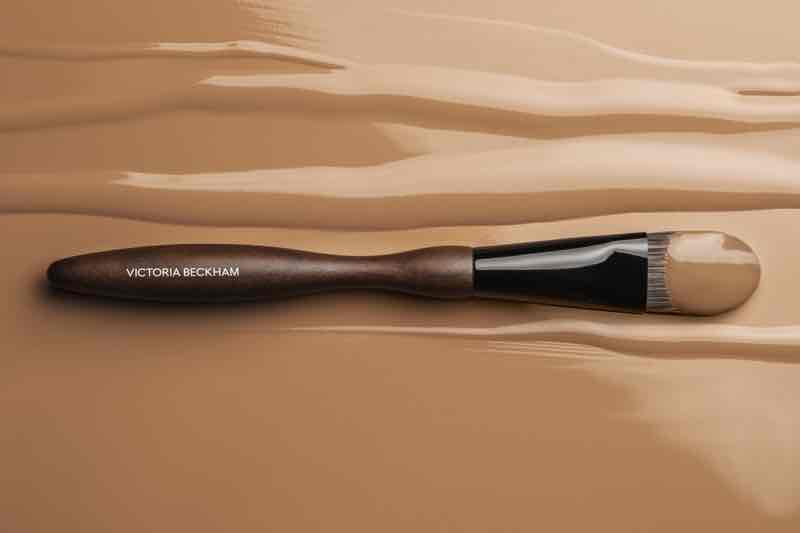
Beauty authority Caroline Hirons’ Skin Rocks and Victoria Beckham Beauty are now both live with owned stores.
The latter’s shop sits alongside Victoria Beckham’s personal TikTok page (which has a 2.8 million following) rather than her VB Beauty page, with GRWM videos linking directly to the shop and, of course, not a discount in sight.
Meanwhile, Garnier gives shoppers TikTok Shop-exclusive packaging, and L’Oréal Paris launched its Mugler make-up collection exclusively on the platform.
Black Friday – the ultimate test of your brand’s agility
Nowhere does corporate sluggishness show up more painfully than during Black Friday and the golden quarter.
TikTok’s Black Friday is not just a weekend, it is an entire season.
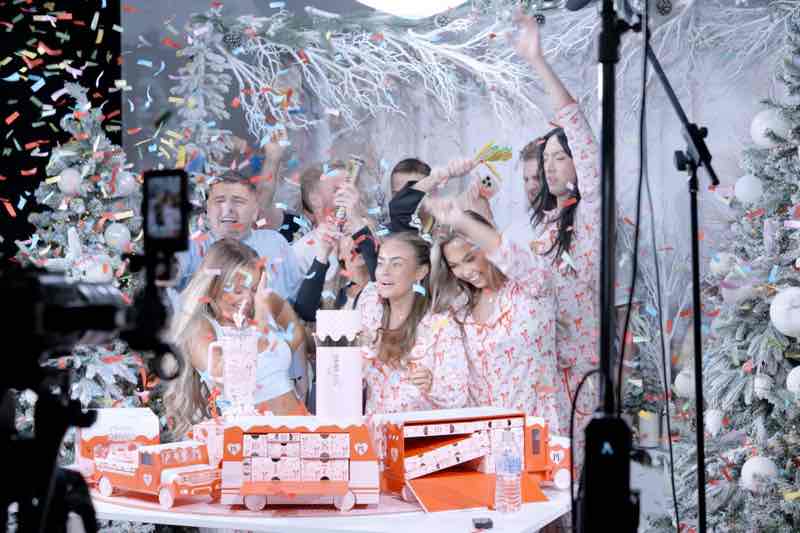
Brands like P.Louise and The Beauty Crop started holiday campaigns in July, while others have been pushing beauty advent calendars and limited drops since early September.
Loyalty is built when brands deliver experiences
For consumers, it is not just the thrill of the deal, it is about ‘in the moment’ initiatives, such as exclusive shades, engaging and authentic affiliate content, and backstage reveals.
Discounting still drives volume, but if your only lever on Black Friday is 20% off, you are already invisible.
Prestige and legacy beauty brands should also use TikTok Shop to stage cultural moments as a way of building brand experiences for consumers who are looking to be entertained and to shop for fun.
It is worth emphasising this point; loyalty is built when brands deliver experiences.
TikTok Shop is not just the future of shopping, but rather the present tense of beauty culture.
For big brands, the work required to reconfigure structurally and culturally to succeed on the platform can be terrifying, but the opportunity is thrilling.
This article was written by Eva Liu, Social Commerce Director, UK & US Markets, at social agency SAMY.


