
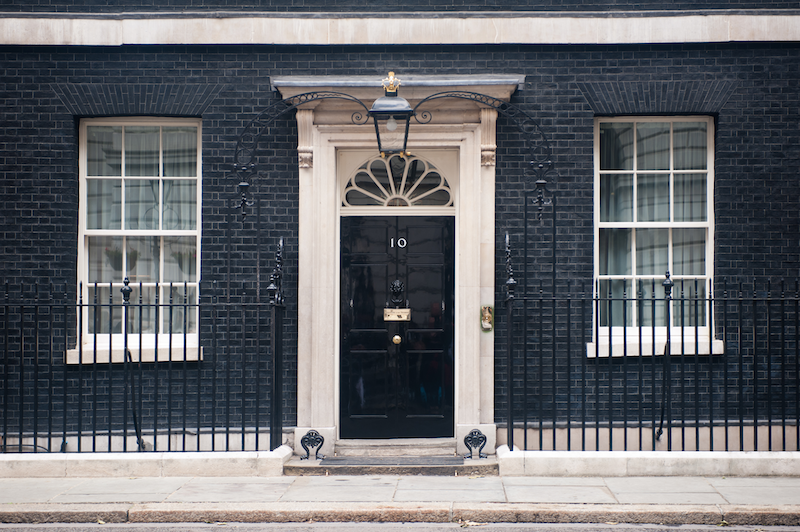
The Autumn Budget for 2026 has been unveiled by Chancellor of the Exchequer John Healey, who set out to deliver “breathing space” to embattled business and households.
For brands and retailers on the high street, the threshold for Small Business Rates Relief has been increased from £12,000 to £18,000, said Healey when speaking in the House of Lords on 28 October.
On 1 April 2027, the National Living Wage (NLW) will increase by 3.9% to £13.21 per hour, with the uplift representing an increase of £910 to the gross annual earnings of a full-time worker on the NLW.
The package will be paid for by tackling non-compliance on online marketplaces, increasing gambling tax on higher-risk machine games.
Stricter VAT compliance rules for online marketplaces will also help prevent offshore sellers from undercutting UK beauty retailers, product creators and salon retail shelves.
A real-terms freeze on rates for any businesses will also go some way to wards easing pressures being faced by the 191,200 establishments across the beauty industry, Millie Kendall, CEO of the British Beauty Council, told Cosmetics Business.
“With around half of approximately 50,000 salons already benefitting from Small Business Rates Relief, we welcome the Government’s measures to increase the threshold from £12,000 to £18,000 which will move an estimated 2,000 further businesses out of paying business rates,” said Kendall.
“A real-terms freeze on rates for any businesses above this threshold, and the extension of the Government’s business rates transitional relief fund, will also go some way towards easing some of the pressure being faced by the 191,200 establishments across the beauty industry.”
Does the 2026 Autumn Budget go far enough in supporting new founders?
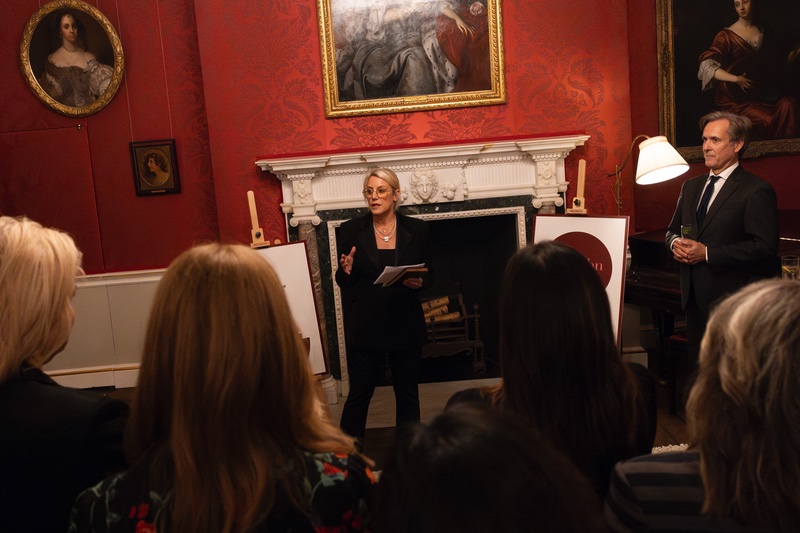
Millie Kendall, CEO of the British Beauty Council
The budget will support the next wave of British start-ups and scale-ups, including through a tax offer for founders and their companies, according to the official Budget 2026 document.
The UK Government will use strategic public procurement and promotion to back British firms and develop a skilled domestic workforce.
It claims it will also ensure talent can move to where it is needed most to help businesses thrive and provide opportunity for people to pursue their careers.
Kendall said that it is good to see the UK Government taking action on investing in new business development and retention in the UK with funding commitments for female entrepreneurs and founders.
A majority of the beauty industry’s innovators and entrepreneurs are female founders (86%), and 95% of the sector are SMEs.
“The council has been proud to connect these vital voices with the Government and Treasury officials to secure new investment to help businesses to start, scale and stay in Britain, with a particular focus on improving access to finance for smaller firms, as announced today,” said Kendall.
“However, for existing businesses already well-established, who employ and keep the economy running, there was very little to relieve the pressures many are feeling right now.
“Overall, the Chancellor’s Budget reflects the stability we need, but was surprisingly void of any mention of measures to support youth employment or businesses who employ more generally.
“With minimum and living wage increases coming again from April, we need more from the Government to support employers, not just an expectation for [the] industry to keep bearing the brunt of every fiscal shortfall Whitehall needs to cover.”
How the beauty industry is reacting to the 2026 Autumn Budget
Zain Hanif, Tax Lawyer at law firm Freeths
Hanif: “Raising the small business rates relief threshold from £12,000 to £18,000 is a boost for smaller retail, hospitality and leisure businesses.
At a time when operators are managing intense pressure on wages, property and day-to-day running costs, removing business rates entirely for more premises should offer meaningful breathing space.
While the increase broadly reflects inflation and had been anticipated, it will still provide welcome relief for many smaller operators.
The move towards greater devolution could also give local and regional leaders more power to shape business rates around the needs of their economies.
The details will be important, but today’s announcement sends a positive signal to businesses investing in our high streets and local communities."
Tina McKenzie, National Chair of the Federation of Small Businesses (FSB)
McKenzie: “This budget should have been the moment to help small businesses with the soaring costs holding them back, and the taxes restricting job creation.
“Instead, they got nothing to ease sky-high energy bills and nothing to make hiring someone more affordable, while the increase in business rates relief excludes too many.
“The Government has an ambition for growth in every postcode. Today’s budget missed the mark on matching that ambition.
“Our latest research shows nearly half of small businesses (47%) expect their revenues to shrink in the coming months, while only around a fifth (22%) expect revenue growth.
“They are three times more likely to be planning to reduce headcount than increase it (18% versus 6%).
“There was nothing today anywhere near big enough to change that gloomy outlook.
“The increase in Small Business Rate Relief for small firms in retail, hospitality and leisure is welcome for those who will be lifted out of rates.”
Stephen Springham, Partner, Retail Research at global real estate consultancy Knight Frank
Springham: “Anticipated does not mean in any way welcome.
A predictable increase in the national minimum wage (49p/+3.9% to £13.20) is a further cost pressure for retail and hospitality operators, and one deeply contrary to the wider reducing ‘cost of doing business’ narrative and one that is likely to prove inflationary.
The increase may be above headline inflation (+3.5%) and lower than the running yearly average increase (+5.2%), but the key metric is that since 2012, the minimum wage has increased by +113%, over four times the growth rate for retail sales volumes (+25%) over the same period.
Limited movement on Business Rates at this budget did not coincide with a ratings revaluation, with multipliers/bandings already set in stone (mercy only to inflation), leaving the Chancellor with limited levers to pull.
Raising the threshold from £12,000 to £18,000 may benefit some small traders and sole operators, but will not address underlying high street pressures.
Pubs, nightclubs and music venues may be left disappointed that they were not afforded additional rate relief than that already announced, while other hospitality sectors even more aggrieved that relief has not been extended to them, despite being bound by the same economic, financial and operational pressures.”
Related content:
- UK government urged to deliver national strategy on UV protection, including slashing VAT on SPF
- Exclusive: Beauty delivered £28.3 billion to the UK economy in 2025 despite economic headwinds
- Exclusive: This Government SIC code change will have a huge impact on UK beauty
- Exclusive: British Beauty Council to debut inaugural British Beauty Festival in China
- Blue beauty to make-up’s punk revival: the 2026 beauty trends to watch
- Opinion: British Beauty Council CEO Millie Kendall on her latest advocacy plans for UK beauty
- Opinion: UK beauty retailers lead the way when it comes to specialised experiences
- Opinion: Has DEI become a dirty word in beauty?


