

Beauty M&A was marked by a number of blockbuster deals in 2025 – from L’Oréal’s US$4bn purchase of Kering Beauté, to Rhode being snapped up by e.l.f. Beauty for $1bn – and this activity shows no signs of slowing as we head into 2026.
A number of beauty brands are already said to be on the market, from Pat McGrath Labs assets being put up for sale to Estée Lauder Companies rumoured to be looking to offload Dr. Jart+, Too Faced and Smashbox.
Fragrance and Gen Z-focused brands are looking to be the most attractive to potential buyers right now, according to experts Cosmetics Business spoke with.
Make-up, however, may be a harder sell, with legacy brands falling out of favour to more exciting challengers.
“The surge in beauty M&A headlines [last year] reflects a nuanced reset,” Nnenna Onuba, a Strategic Growth and M&A Adviser for the beauty industry, tells Cosmetics Business.
“Each brand’s story is distinct, but collectively they show a clear shift towards disciplined acquisitions.
“Buyer selectivity is at a historic high.”
Here, we round up the beauty businesses which could soon find a new home in 2026.
Pat McGrath Labs
Beloved MUA Dame Pat McGrath’s namesake brand may be marking its ten-year anniversary, but celebrations are likely muted as the company is heading to auction.
The company’s assets have been put up for sale following months of speculation about the future of the brand.
McGrath has still featured prominently in the beauty world, but as the Creative Director of Louis Vuitton’s latest beauty venture.
Cosmetics line La Beauté debuted in August 2025 with a range of 55 lipstick shades, priced at €140 each, and €220 eyeshadow compacts, raising questions in the industry over her commitment to her own brand.
Investment and restructuring firm Hilco Global has now been brought in to sell Pat McGrath Labs.
“Continuing to build the brand will require a mix of maximising the core and continuing to lead and set trends with product innovation and intuition,” said Richelle Kalnit, CCO and SVP at Hilco Global.
“Strong fundamentals not only provide a stable foundation of recurring revenue and targeted innovation, but also a solid base for future expansion.”
Interested buyers must submit bids by 26 January, with the auction set to take place the next day (27 January).
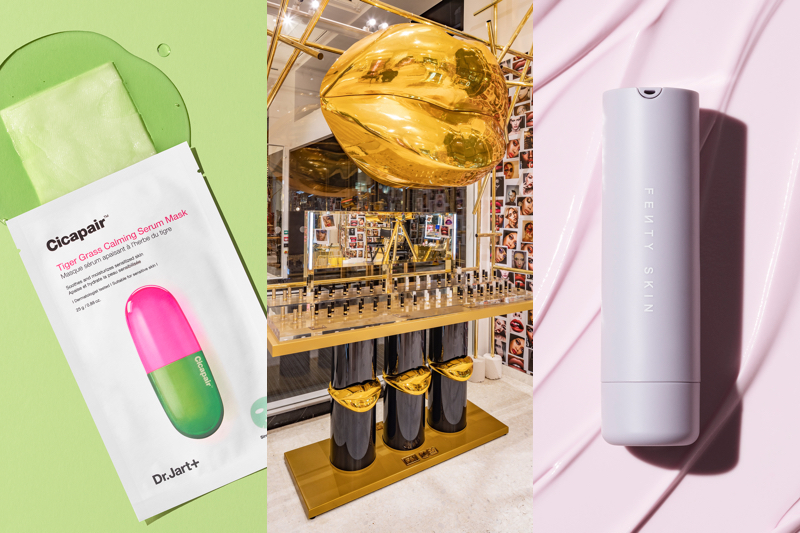
Too Faced, Dr. Jart+ and Smashbox
The Estée Lauder Companies (ELC) is allegedly looking to sell three brands within its beauty portfolio – Too Faced, Dr. Jart+ and Smashbox.
Too Faced and Dr. Jart+ were both identified last year as underperforming for the company.
ELC CEO Stéphane de La Faverie said at the time that it was reviewing its brand portfolio as part of his ‘Beauty Reimagined’ turnaround plan.
Experts told Cosmetics Business at the time that ELC was likely to lose money on Too Faced, which it acquired in 2016 for $1.4bn – then the beauty giant’s biggest-ever acquisition – or Dr. Jart+.
Indeed, the trio of brands is allegedly being sold as a package deal estimated to be in the low nine figures, but nothing has been confirmed yet.
Fenty Beauty
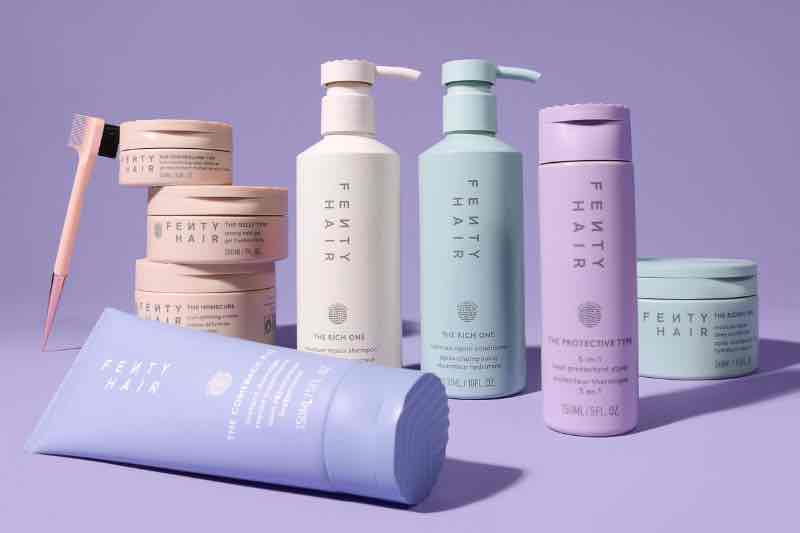
LVMH is reportedly exploring a sale of its 50% stake in singer Rihanna’s Fenty Beauty brand.
The company, which also owns Sephora and Benefit Cosmetics, is said to be working with investment bank Evercore on a potential sale, according to reports by Reuters.
The potential sale comes following “a period of slowing and even modestly declining sales,” says Onuba.
The brand generated sales of around $450m in 2024, down from more than $500m in 2018.
“This sales softness, coupled with broader strategic portfolio moves, is a key driver behind the sale,” says Onuba.
“Fenty Beauty remains a high-visibility asset, but buyer interest will hinge on growth visibility and margin recovery as the celebrity beauty category matures.”
The reported sale also comes in a year of several high-profile founder buybacks.
Fenty Beauty would be a very good fit for e.l.f. Beauty
Kim Kardashian bought back her beauty brand SKKN by Kim from Coty in March 2025, after the beauty conglomerate invested $200m and took a 20% share of the business back in 2021.
Coty made a $71.1m loss from the sale, according to its financial results published in May 2025.
Huda Kattan also took back full ownership of Huda Beauty in June 2025, concluding an eight-year partnership with US private equity company TSG Consumer Partners, which purchased a minority stake in the beauty business in 2017.
If Rhianna were to buy LVMH’s stake in Fenty Beauty to take full control of the business, she would need some support, however.
“Private equity is wary of influencer brands,” Victoria Kisseleva, partner at FRP Advisory, tells Cosmetics Business.
“TSG would be a good [investor], but it did not do well with Revolution Beauty [in which it held a minority stake pre-ipo].
“If Rhianna were to buy it back, she would buy it back at a discount, because with private equity, they are not usually the highest buyers.”
Meanwhile, fresh off its purchase of Rhode in a blockbuster $1bn deal, e.l.f. Beauty could be considering its next target.
“Fenty Beauty would be a very good fit for e.l.f. Beauty,” says Kisseleva.
“E.l.f. Beauty just released its Q2 results. It is not doing well.
“The only thing that is growing is Rhode. So, I think Fenty Beauty and Rhode would be perfect [together under e.l.f. Beauty].”
Rimmel London, Covergirl, Max Factor
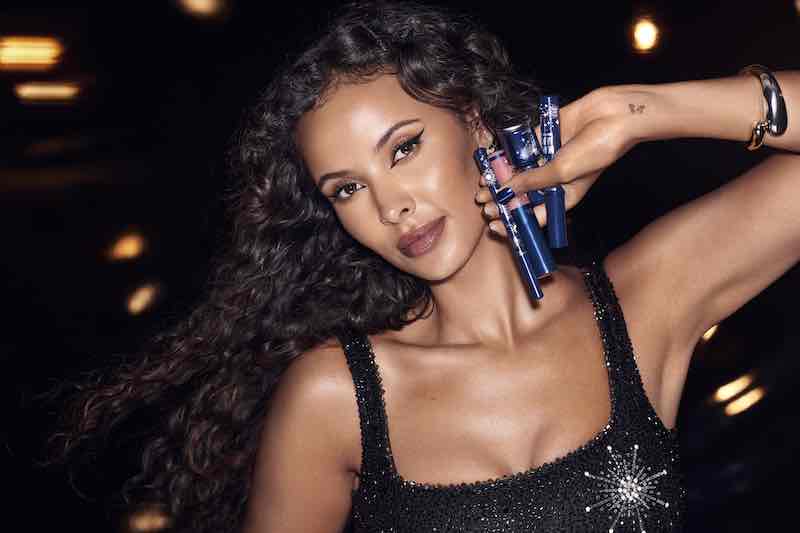
Coty launched a strategic review of its consumer beauty business in September 2025, with a focus on its $1.2bn revenue mass colour cosmetics business.
This includes make-up brands Rimmel London, Covergirl and Max Factor, as well as nail line Sally Hansen.
Coty said it is exploring a “full range of alternatives including partnerships, divestitures, spin-offs” for this part of the business as it focuses on fragrance and prestige.
“This feels like classic portfolio pruning,” says Onuba.
“Coty is doubling down on prestige, so mass assets are natural carve-out candidates.
“Valuations will skew conservative.
“Buyers are chasing operational improvements, and colour cosmetics is a very tough and capital-intensive category.”
Legacy brands in particular have struggled to keep up with changing tastes in make-up.
“In colour cosmetics, it needs to be new, it needs to be hot,” says Kisseleva.
“There are a lot of challenger make-up brands – Refy, Wonderskin and Merit – those cool brands.
“Somebody might buy Rimmel London, Covergirl, Max Factor and [the Estée Lauder Companies (ELC)-owned] Too Faced at a discount, and put them all in [together].”
A buyer, however, would need money to execute synergies across production and distribution, but with a view to cutting costs by 20%, she adds.
Parfums de Marly
Private equity firm Advent International is said to be exploring a $2bn sale of Parfums de Marly, the French fragrance house it acquired in 2023, according to reports by the Financial Times.
“Parfums de Marly is one of the few scale indie fragrance stories,” says Onuba.
Advent has grown it strongly, and with the fragrance land-grab post Kering/L’Oréal, the timing is smart.
Parfums de Marly could also be interesting to some Middle Eastern groups
“But high valuation expectations and fragrance cyclicality could slow momentum.”
With the boom in fragrance showing no sign of abating just yet, the brand could attract some of beauty’s biggest players.
“Puig or L’Oréal, because L’Oréal are going strong on fragrances,” says Kisseleva, noting its recent deal with Kering for its Beauty division, including House of Creed, and licences for fragrances tied to fashion houses such as Gucci and Balenciaga.
L’Oréal also has a stake in Amouage, and already holds a number of licenses for fashion brand fragrances, such as Armani, Prada, Miu Miu and Maison Margiela.
Despite spending $4bn on the Kering Beauté deal, L’Oréal has deep pockets, she adds, and deals do not have to be financed with cash.
“If you finance it with debt, it is possible,” she says.
“They would probably be the obvious one for Parfums de Marly, and Puig because they have Byredo, and they have a lot of other fragrance licensing businesses.
“Parfums de Marly could also be interesting to some Middle Eastern groups as well.”
Bubble Skincare
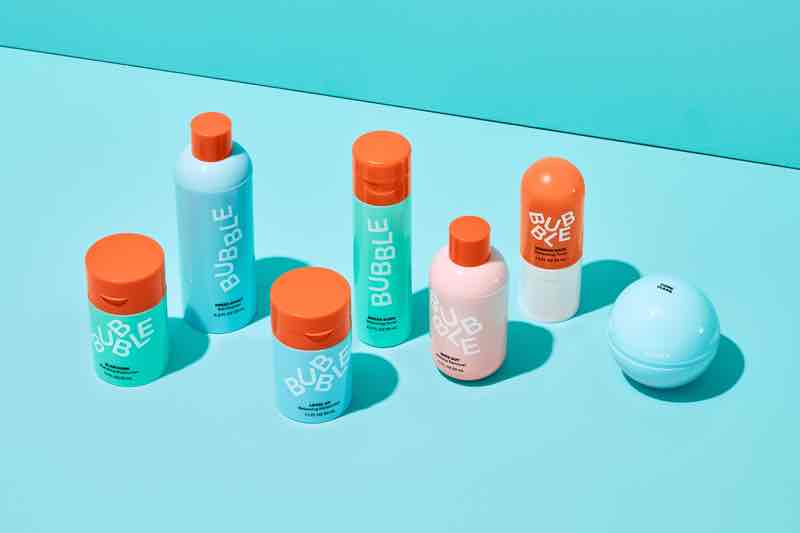
Bubble Skincare has tapped advisors at Centerview Partners to “explore strategic opportunities that can support and accelerate” growth.
The move follows Bansk Group acquiring a majority stake in Byoma, the Gen Z skin care brand focused on barrier repair, from Yellow Wood Partners.
Good buyers for Bubble, says Kissleva, would be Church and Dwight, which recently bought Touchland for $700m signalling a Gen Z interest.
Plus, Unilever, which made a similar move acquiring Dr. Squatch.
“It will be the non-obvious skin care players, but who want to get into Gen Z skin care,” says Kisseleva.
Onuba says of Bubble: “Its Gen Z positioning and retail footprint are impressive, but the real question will be whether it can sustain velocity and defend profitability through 2026.
“Skin care multiples have diverged sharply.
“The gap between a breakout like Medik8 at nine times sales and mid-tier plays is widening fast.”
This article was last updated on 9 January 2026.


