
Whilst GDPR is now mature in the UK and EU, there are still regular guidance and applications updates as new data innovations and uses emerge.
Beauty tech solutions risk tripping into processing sensitive data, such as ethnicity, biometric, or health information,which is subject to much more stringent regulatory requirements.
Here, Beverley Flynn, Partner at Stevens & Bolton, shares what businesses must know before collecting data, and the consents they must obtain.
What kinds of beauty tech innovations are most at risk of breaching data privacy laws?
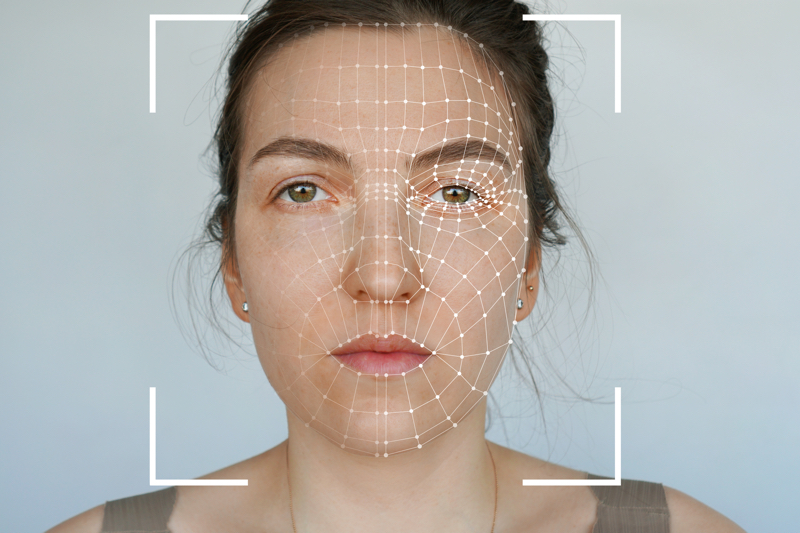
Beauty tech innovations most likely to raise data privacy concerns include virtual analysis apps (e.g. foundation or product shade matching), virtual try on features, smart mirrors and smart styling tools.
These can process special data – like skin conditions or facial scans – which triggers enhanced data compliance requirements.
If the tech is aimed at or used by children, this adds another layer of legal responsibility.
Additionally, if the technology is new or novel, this may be more likely to pose risks to individuals’ rights and freedoms and may require a data protection impact assessment to be undertaken.


