
Beauty branding in 2026 is defined by contrast.
AI-perfected imagery meets hand-drawn visuals. Giant, flying lipsticks in L’Oréal ads sit opposite the wonky lettering on Lazy Oaf’s skincare bottles. Both sides embrace the maximalism trend. Yet, they exist in visible tension with one another. Glass-skin AI influencers make us crave imperfection in beauty ads (wrinkles, pores, texture!) And when the weight of reality kicks in, AI-created illusions seduce us.
For beauty brands, understanding this tension is key. It reflects how torn consumers are between escapism and reality, perfection and authenticity. By leaning into these opposing aesthetics, brands can better speak to what people want and need: comfort, aspiration, play, and trust.
The Allure of AI
“What’s real, and what’s not?” That’s the question on everyone’s mind since AI has sneaked into the beauty space. And you know what? It’s not a bad thing. With personalized AI tools, immersive beauty ads, and creative marketing campaigns, we’re all enjoying a slight break from reality. AI allows our imagination to spill over the boundaries of what’s possible.
Fake Out-of-Home (FOOH) marketing has become a playground for beauty brands like Fenty Beauty and L’Oréal. Now it’s normal to see giant lipsticks flying with umbrellas like Mary Poppins or people swimming in peptide-infused skincare creams. It’s playful. It’s silly. It’s the fun side of AI.
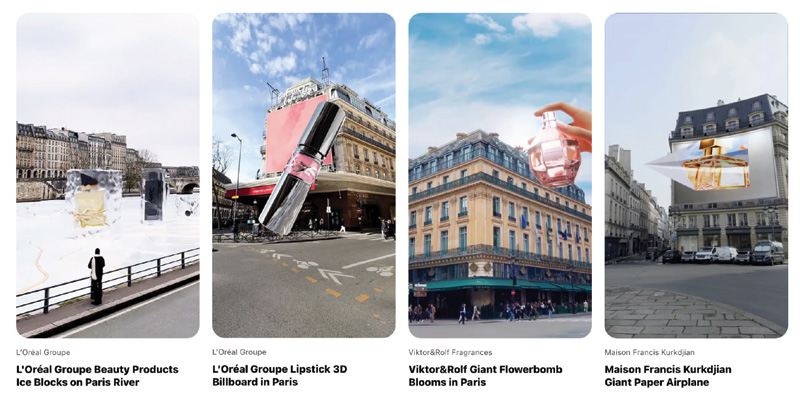
Source: fooh.com
Where AI is playfully obvious, we’re embracing it.
The allure of AI-driven otherworldliness is also shaping the alien-core trend. This shows up in dreamy makeup looks and the shimmery, silver-toned packaging of brands like R.E.M. Beauty. AI offers impossible textures, impeccable symmetry, and dreamlike compositions. In beauty branding, these visuals feel futuristic, curated, and captivating.
Where AI starts to get frustrating (aside from the fact that it’s everywhere) is when it makes us question our abilities to recognize real from fake. The flawless designs can feel cold and distant, making us crave visuals that embrace imperfection.
When Flaws Feel Good
As with everything in business and beauty, there has to be balance. Push seven-step skincare routines for long enough, and skinimalism will inevitably push back a year or two later. Let the clean-girl aesthetic restrict creativity, and maximalism with dreamy glitters and bright blue eyeshadows comes back swinging.
AI-perfected visuals, surreal branding campaigns, and hyper-polished packaging make us genuinely miss human-touch design. We want to see flaws. We want to notice imperfections.
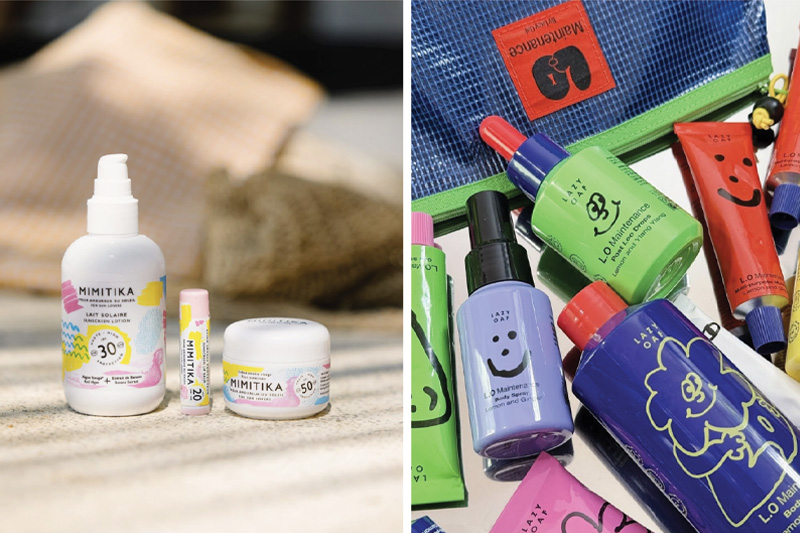
This is where naïve, imperfect design comes in. Brands like Lazy Oaf and Mimitika have doubled down on organic aesthetics in their packaging design. Scribbles, uneven layouts, and childlike illustrations make their products feel refreshingly human. These designs communicate emotion, authenticity, and personality – the qualities AI struggles to replicate.
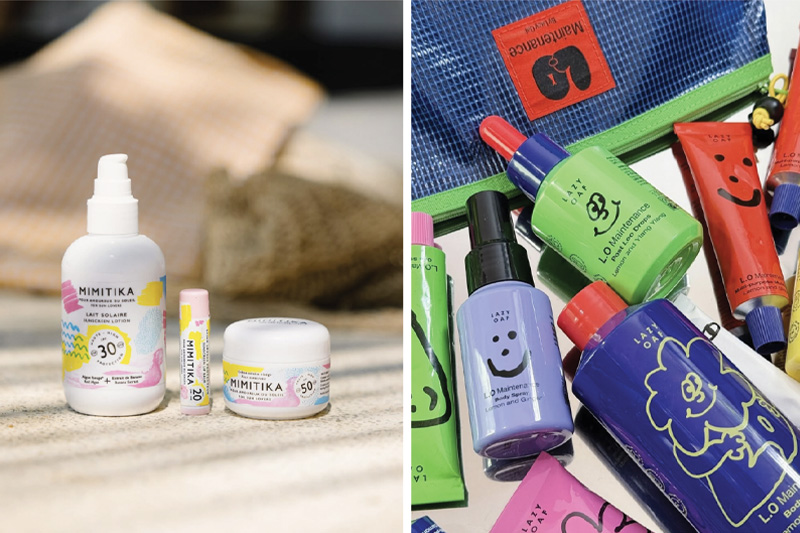
Source: https://www.instagram.com/mimitika_suncare/ & https://www.instagram.com/lazyoaf/
The growing appetite for imperfection also lines up with the rising popularity of wabi-sabi, the Japanese philosophy that finds beauty in irregularity and imperfection. We’re all walking wabi-sabis, aren’t we? (Yes, we went corny, but it’s cute).
One beauty brand that captures this perfectly is the Japanese label dō, which embraces asymmetric design and a natural, tactile feel. Its visual identity feels grounded and intentional, valuing craftsmanship and character over artificial flawlessness.
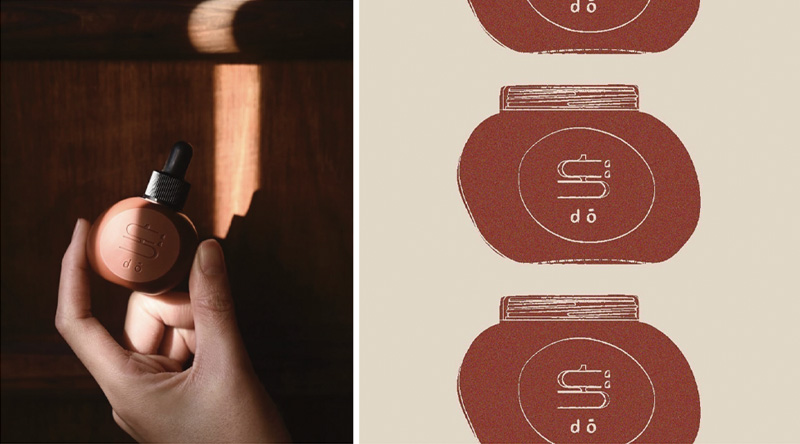
Source: https://www.instagram.com/dojapan.jp/
Naïve and wabi-sabi design works not in spite of AI, but because of it. It gives us a counterbalance to perfection.
Why Choose When You Can Have Both?
While some brands lean fully one way or the other, others mix both aesthetics in their branding. And why not? True Botanicals, for example, fills its social media feed with both hand-drawn collages and surreal, AI-like imagery. Embracing this contrast becomes a statement of brand identity in itself.
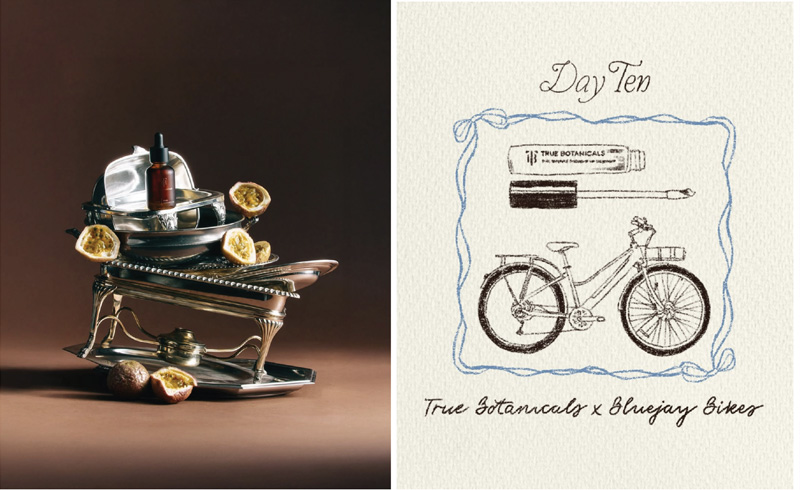
Source: https://www.instagram.com/truebotanicals/
Hyper-digital aesthetics and naïve visuals aren’t mutually exclusive. They're complementary. Together, they represent a beauty consumer who wants both fantasy and authenticity.
This duality also mirrors a broader cultural tension we’re all aware of – the drive for technological innovation vs. our yearning for human connection. Beauty brands that understand this balance can navigate an overpopulated market with a nuanced visual strategy that speaks to both the imagination and the heart.
Own Your Visual Identity Among Trends
Does this mean you have to pick a side or try to embrace both trends? Actually, no. What you really need to do is be part of the conversation. The beauty market grows bigger every year, and it can feel overwhelming to carve out your space and make your visual identity known. Trends give you a valuable clue into what people want. Understanding them lets you develop your own take and join the cultural conversation. You can’t ignore trends. You need an opinion, a stance, and that stance will shape your brand’s identity.
The goal for beauty brands isn’t uniformity. The goal is to create tension, interest, and emotional depth in a visual identity. In 2026, the most memorable beauty branding will tell a story of duality.