

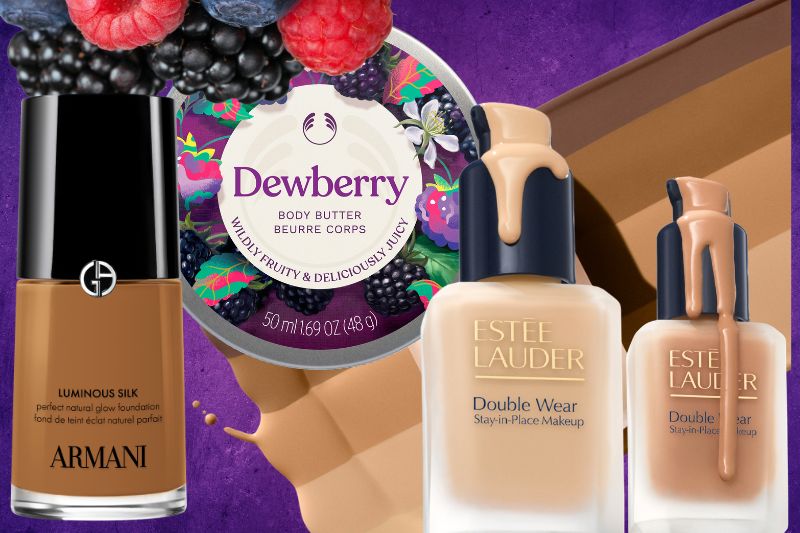
From Estée Lauder’s Double Wear to Armani Beauty's Luminous Silk Foundation, some of beauty’s most iconic products have undergone major reformulations of late, but why are brands tinkering with their hero items?
It is no secret that ingredient lists have to be tweaked sometimes to meet updated regulatory policies or supply chain disruptions, but when a brand’s long-standing bestseller is switched up in a major way it can feel dramatic for loyal shoppers, with some asking: ‘If it is not broken, why fix it?’
However, a reimagining is never a rogue move, with certain business needs driving the decision. But do the potential rewards outweigh the risk when it comes to reformulating an iconic hero product
When you are reformulating a hero product, the ‘North star’ has to be the end-user experience
“A reformulation is always a risk, but sometimes the risk of doing nothing is greater,” says Jill Weir, NPD & Brand Consultant at White Label Thinking.
“If the market is moving fast, you may need to reformulate just to [not] stand still, no matter what your current performance.
“Long-term vision is key to being on the front foot – as you need to see what is coming before your consumer does as they can move brands much quicker than you can reformulate.
“The longer you have to change, the less painful it is in every aspect.”
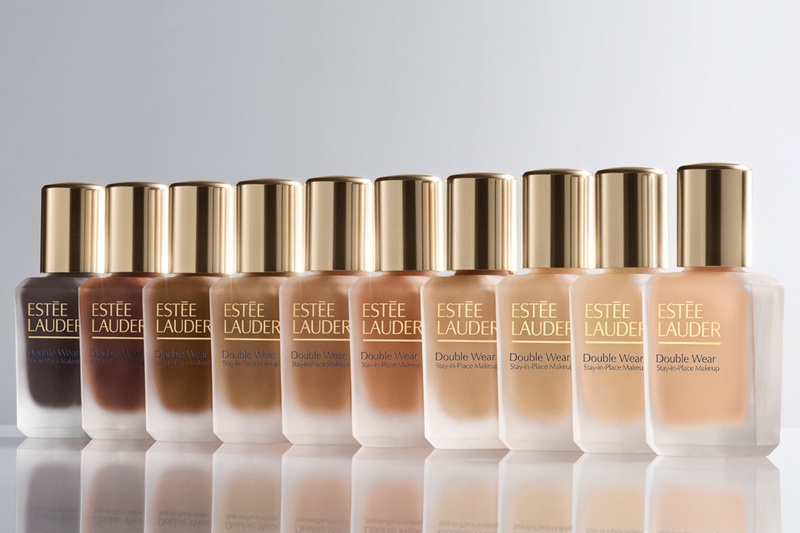
Estée Lauder has reformulated its "loved" hero foundation Double Wear
The true cost of a beauty reformulation
There are several reasons why beauty brands may need to reformulate, ranging from ingredient availability, cost of ingredients, and new ingredients and technology coming to the fore, to moving suppliers, economic downturns, trends and market fragility.
Changes in regulatory frameworks and guidelines are another driver, which can require the removal of a material, and in this case, it can often be easier to reformulate or address all of the challenges that exist in that formula at one time.
If your work involves novel actives, formulation science or technical problem-solving in beauty, the Cosmetics Business Innovation Awards offer a platform designed to highlight and clearly articulate the science behind breakthrough thinking. Entries open now!
“I would not say there are ever right conditions for reformulation, rather there are clear reasons why we often see it as a necessary evil,” explains Manessa Lormejuste, Beauty Scientist & Product Developer, who has worked with the likes of L’Oréal USA, Johnson & Johnson, and Beautycounter.
“[This], in turn, [can] make the product a more cohesive offering across


