

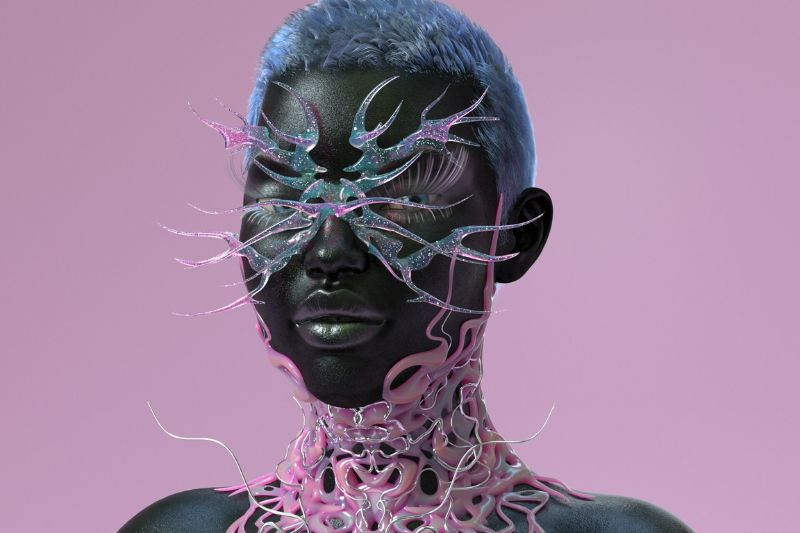
When non-fungible tokens (NFTs) exploded into the mainstream a few years ago, the beauty industry wasted no time in embracing the hype around these digital tokens, which were often presented in the form of digital art and collectables and exclusive access into online communities.
From limited edition digital collectibles to virtual products and blockchain-backed experiences, brands including NARS Cosmetics, L’Oréal and YSL Beauty all began experimenting with this new technology that aimed to redefine how consumers could own, experience and interact with beauty beyond products.
For a somewhat brief moment NFTs looked less like a passing crypto trend and more like the next frontier for the beauty industry, but fast forward a few years and the conversation has changed dramatically.
Tickets are now available for the 25th anniversary of the Pure Beauty Awards, taking place on 15 October 2026 at the Grosvenor House Hotel in London, UK. Join the beauty industry for an evening of recognition and celebration as this year’s winners are revealed. Click here to secure your place.
As the NFT boom cools off, consumer interest has slowed with it as what once generated headlines drifts into the background, raising the question of whether beauty NFTs were ahead of their time, or if the concept was flawed from the outset.
Read on to hear from industry experts who unpack where the sector went wrong and why beauty brands struggled to turn digital ownership into lasting value.
Opinion one: “NFTs are collectable, but without the joy of the chase or needing to turn up in-person and engage with your tribe”
By Julia Wray, Freelance Beauty Editor and Industry Expert
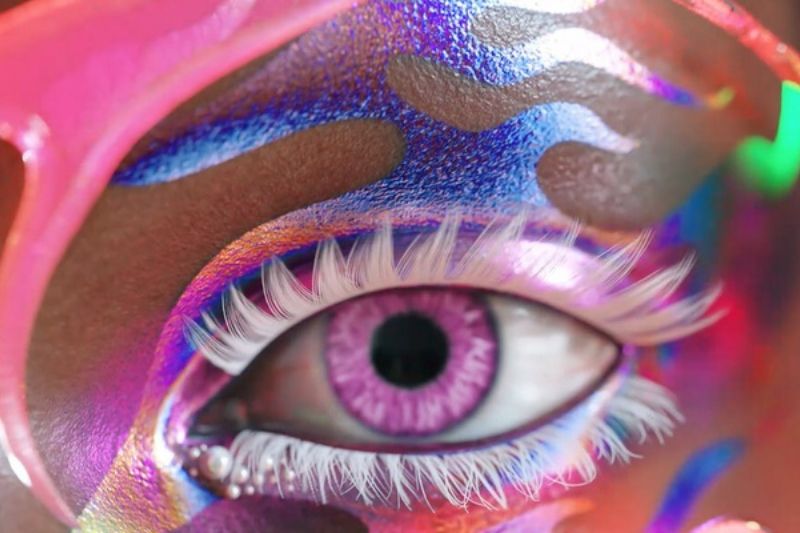
An image from NYX Professional Makeup's' NFT collection
“Like any other consumer industry, beauty has to be alert to any nascent marketing and selling opportunities.
But the issue is, no one really knows at the time whether ‘the next big thing’ is going to evolve into something which fundamentally changes product discovery and purchase, like TikTok, or if it is going to end up being the next Mastodon or Clubhouse, and NFTs ended up in the latter category.
I do not think there was ever a major natural synergy between the beauty world and NFTs, or at least no more so than any other industry.
Rather it was a case of the large, monied beauty brand owners like Shiseido and LVMH seeing something new and experimental, and gambling on it as something that might stick.
It was definitely the preserve of the industry’s big boys and not widely adopted, because, at the time, platforms like Ethereum were extremely expensive.
Beauty is such an experiential category. If you are not yourself physically experiencing the application, scent and feel of a product, then at the very least you want to see someone demonstrating this experience to entice you to buy.
So, beyond the novelty of NFTs, why would beauty fans want to buy something that they cannot physically enjoy for the same price as a lipstick, etc?
Do not get me wrong, I fully appreciate the power of merchandise and the importance of creating both scarcity and a sense of belonging in beauty marketing, which NFTs do kind of fit into.
But so much of what works is linked with bein


