
Beiersdorf unveiled its third-quarter 2026 trading update on 27 October, with CEO Vincent Warnery and CFO Astrid Hermann commenting on how global headwinds are impacting the German consumer giant.
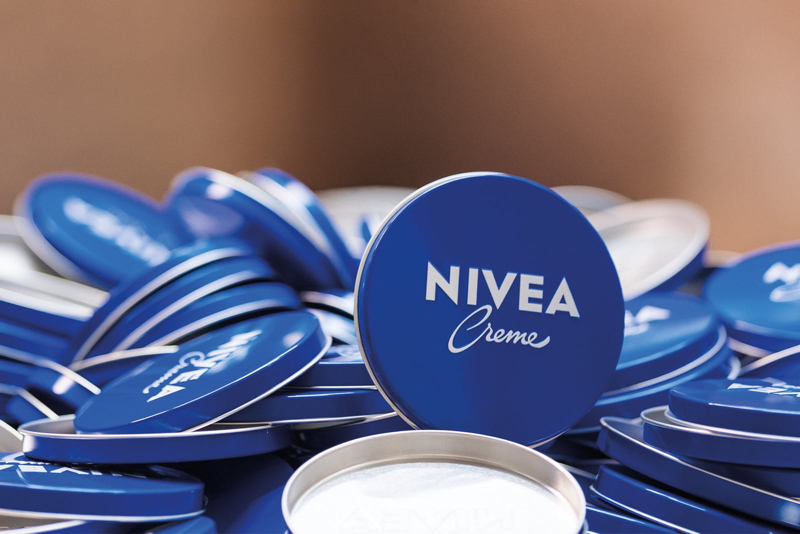
Group net sales declined 1.3% to €2.4bn during the quarter ended September 2026, dragged down by Nivea sales slumping 4.9% due to sell-in headwinds.
Nivea’s lagging performance was offset by the company’s derma category, which includes brands Eucerin and Aquaphor.
However, Beiersdorf has also received refunds for all previously paid tariffs towards US President Donald Trump’s 2025 levy hikes, which has benefited the company’s year-to-date profit and loss (P&L).
“We have received refunds of all the previously paid tariffs for all of our brands, so that is benefiting our year-to-date profit and loss (P&L) for sure,” said Hermann during an investor call for the Q3 results held on 27 October 2026.
“[Not all of the tariff refunds were paid] in Q3, as we even had some of those refunds happening earlier in the year.”
Trump’s tariffs were announced in April 2025 as part of his so-called “Liberation Day” and implemented from August last year.
However, a ruling by the judges at the US Supreme Court in October 2025, who claimed the previous tariffs imposed by Trump under emergency powers were unlawful, blocked the levies.
In response, Trump imposed a new global tariff of 10% on imports into the country, and has said he intends to raise this to 15%.
Hermann added: “We are obviously also paying tariffs ongoing based on the new tariff environment, so that is happening as well.”
Beiersdorf weighs in on the Middle East war impact and Russia
Hermann and Warney were also asked by Cian Muenster, financial reporter at Reuters, how elevated oil prices and the supply chain disruptions in the Middle East are creating operational challenges with costs and deliveries.
Hermann explained: “I would certainly suggest that it has caused quite a bit of headache to our teams, particularly in the supply chain.
“[However], I would say first of all that we are not seeing significant impacts in terms of disruption of our supply chains; we have found ways around them.
“This has led to the most immediate impact being higher logistics costs for sure.
“But, obviously, an oil price above US$100 for a longer period of time could cause significant pressure upwards in terms of our cost.
“But, so far, that has been managed quite well by our teams.”
Ulrike Dauer, a reporter for the stock market index Dow Jones and The Wall Street Journal, also asked about Beiersdorf’s reasoning for its continued presence in Russia amid the ongoing war in Ukraine.
Hermann explained: “We had all along said that, because a lot of our production, to be honest, for our US business is either happening in the US or in our Mexican site, which is still part of the US–Mexico–Canada Agreement (USMCA), we have had a pretty insubstantial impact compared to many others.”
Warnery then interjected and said that Beiersdorf has stayed in Russia to “protect the brand”.
He added: “[We] have been in Russia since 1906.
“We know that if we had left Russia, somebody else could have produced Nivea without us.
“So, we are there to protect the brand and to pay the salaries of our employees. Nothing more. Nothing less.”
Related content:
- Nivea sales drag down Beiersdorf in Q3 2026 amid Middle East war concerns
- Beiersdorf unveils Eucerin acne-prone skin treatment based on 20 years of microbiome research
- Nivea extends longevity offering with epigenetics eye serum featuring cryogenic technology
- Nivea extends longevity offering with epigenetics eye serum featuring cryogenic technology
- Beiersdorf eyes acquisitions to reduce reliance on Nivea
- Nasal microbiome: Why research into the nose-brain axis will take beauty by storm
- Beiersdorf aims to make longevity skin care ‘accessible’ with Nivea innovation


