

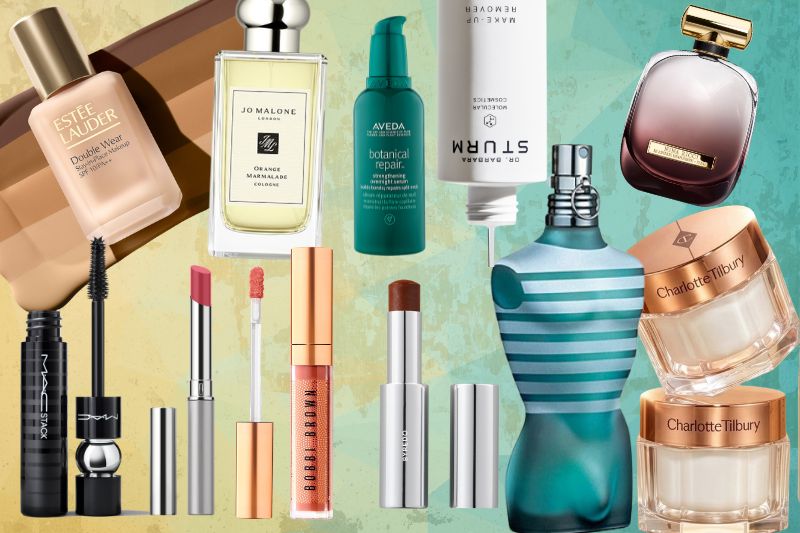
The news of a potential merger between Estée Lauder Companies (ELC) and Puig has undoubtedly rocked the beauty industry this week, with many asking just how mutually beneficial such a mega deal could be – are they really better together?
The potential transaction in discussion would see American conglomerate ELC merge its company with Spanish giant Puig to create a US$40bn global beauty powerhouse, although “no final decision has been made”, read an ELC company statement.
But, if the deal comes to fruition, navigating a merger of this kind is far from straightforward, raising as many questions about the pros as the cons – from what the organisational strategy set-up and culture would be, to queries about identity, leadership, supply chain structure and creative control.
To quote an old Facebook reference, if this deal develops, their relationship status could become ‘It’s complicated’.
On paper, the merger makes sense as the two companies have complementary portfolios, but the practicalities are much more complex and muddy, as Louise Mahon, Corporate Partner at law firm Freeths, explains.
“It brings together two portfolios that fit together reasonably well and gives both businesses broader reach, [but] in practice, I think it is potentially more challenging,” says Mahon.
The brands that survive big mergers are the ones where leadership protects each brand's creative identity instead of chasing operational efficiency at the expense of what makes each brand unique
“Deals like this are complex because so much of the value sits in brands rather than hard or tangible assets.
“The key risks will be integration, maintaining brand identity and actually delivering the synergies that justify the deal.
“The upside is scale and a stronger market position; the downside is execution risk and the potential to dilute what makes the individual brands successful in their own right at present.”
ELC's stock finished -11% below its average trading level prior to the headlines on 23 March, signalling some apprehensiveness in the market, reported Deutsche Bank Research, while Puig’s shares rose by 11%.
“The market reaction has been telling,” adds Mahon. “Puig’s shares are up, ELC’s down.
“The logic of a combination is clear, but it looks like the market may be questioning whether ELC can deliver it at this point in its cycle.”
But from a merger and acquisition (M&A) perspective, the biggest plus in this potential new relationship would be the increased buying power of the combined entity of ELC and Puig, making it a real challenger for market dominator L’Oréal, which generated sales of €44.05bn for the full year 2025.
So, why do these two giants need each other, and could this be an industry-defining deal?
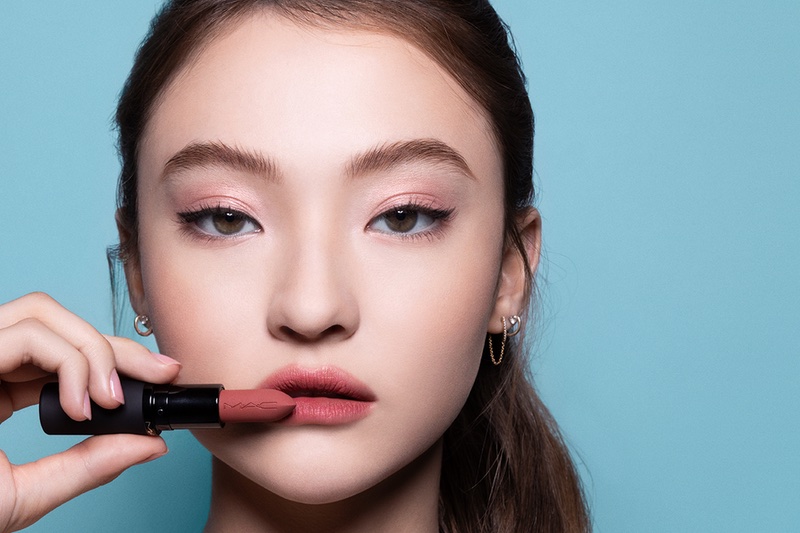
MAC Cosmetics is one of the 25 brands in ELC's portfolio
How can Estée Lauder Companies and Puig help each other?
ELC’s 25-strong portfolio is a collection of trusted, heritage and evergreen brands that


