
As we look ahead to the summer of 2026, the Anti-Ageing Skin Care Conference reaches a pivotal moment in its evolution.
Approaching its tenth anniversary, the biennial event will return on 23–24 June 2026 to the Royal College of Physicians, London, celebrating two decades of scientific innovation and industry collaboration.
If your work touches on skin biology, dermal ageing pathways or clinical measurement techniques, the Anti-Ageing Skin Care Conference is one of the few events dedicated to high-level scientific discussion in this space. Find out more HERE.
This year’s theme of ‘Systems Biology and Skin Ageing’ is one that encourages us to explore ageing through a scientific framework that is more interconnected and holistic.
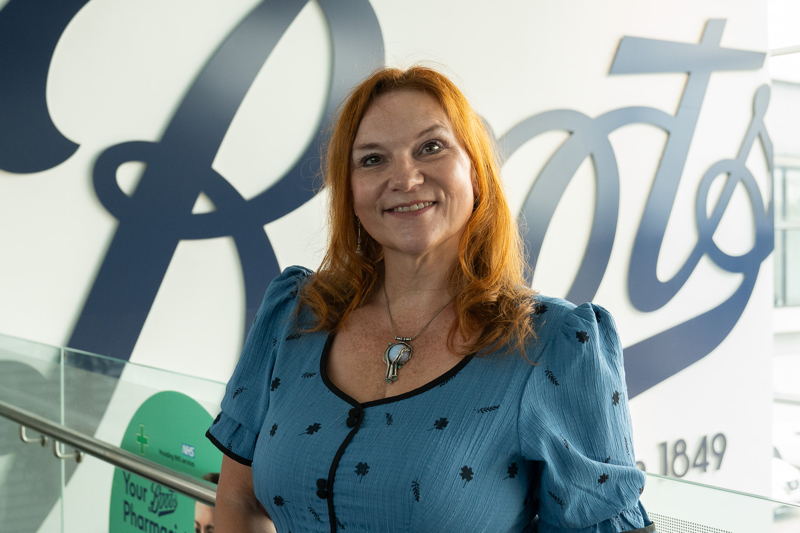
In this issue, Dr. Katerina Steventon, Scientific Programme Director, interviews Clare O’Connor, Lead Scientist at Boots No7 Beauty Company, to share her perspective.
How do you see longevity science – spanning skin biology, inflammation, metabolic health and stress – shaping future product development for consumers looking to age well?
There has been a shift in thinking that has accelerated over the last five years, evidenced by greater accountability and understanding of holistic wellness.
New biological techniques used to research overall physical health are starting to appear within skin research, for example spatial transcriptomics and proteomics.


