
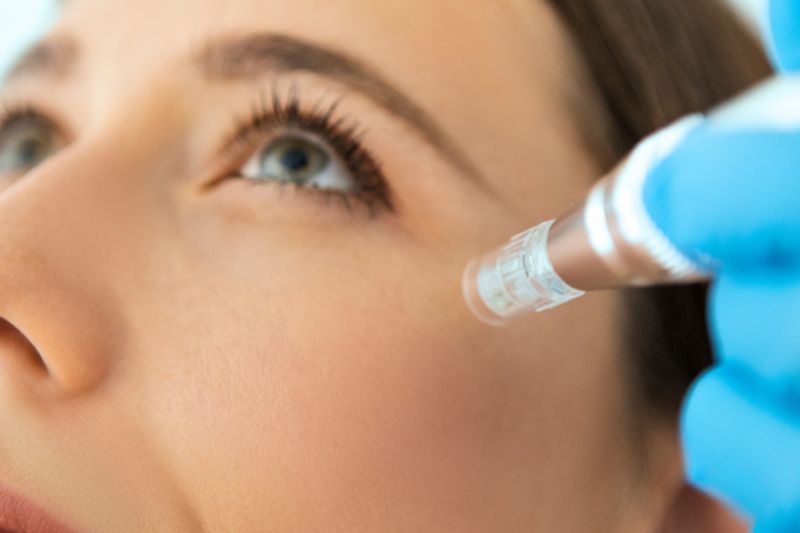
Microneedling is a minimally-invasive technique that aims to enhance the penetration of active ingredients into deeper layers of the skin, generating faster and more noticeable results.
The procedure involves the use of very fine needles that create minute perforations in the skin, which may stimulate collagen production and trigger a natural healing response.
As the technique can serve different purposes, its applications do not necessarily follow the same regulatory pathway.
This article examines how microneedling products are currently approached and classified across different regulatory frameworks worldwide.
Tickets are now available for the 25th anniversary of the Pure Beauty Awards, taking place on 15 October 2026 at the Grosvenor House Hotel in London, UK. Join the beauty industry for an evening of recognition and celebration as this year’s winners are revealed. Click here to secure your place.
Over the past five years, microneedling has become more widely used in the dermatological and aesthetic settings.
The growing demand for innovative cosmetic products with prolonged, more effective release has led the industry to create at-home prototypes to provide a similar experience without requiring medical approval.
The promise behind these products is to improve acne or its after effects, skin texture, induce skin rejuvenation, and reduce the appearance of fine lines.
This convergence between cosmetic formulations and skin-puncturing technologies creates an important regulatory question: where does cosmetic care end and medical device regulation begin?


