

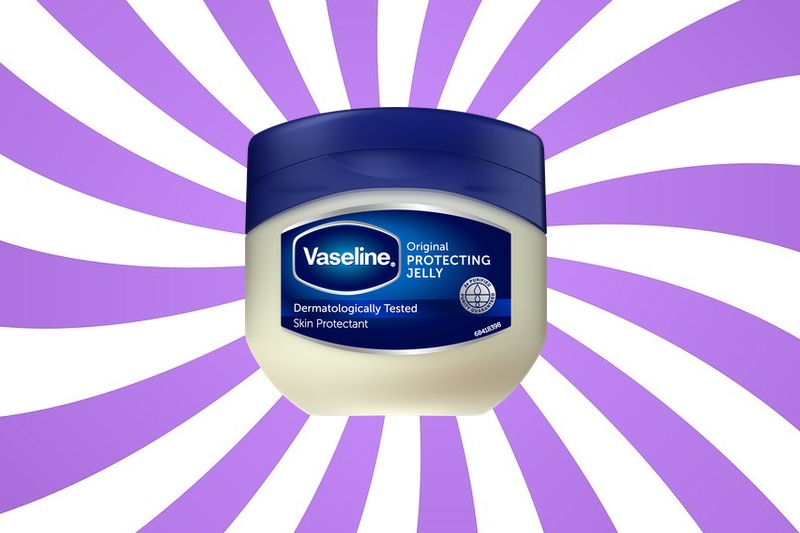
Vaseline’s Original Petroleum Jelly is without doubt an OG beauty staple, with the small but powerful ‘wonder jelly’ winning over beauty shoppers' hearts for the past 155 years.
The Unilever-owned heritage brand’s triple-purified petroleum jelly has earned the respect of consumers and dermatologists alike thanks to its ultra-hydrating and healing properties, making it a holy grail skin occlusive for many.
But how did Vaseline elevate its jelly to cult beauty status and maintain this crown more than a century later? In a world vastly different to the one it was created in?
Its popularity lies in its versatility (more on this later) and word-of-mouth recommendations – I, for one, do not know anyone who does not have the Original Lip Therapy tin in their handbag.
“The strength of Vaseline at 155 years is incredible,” says Nathalia Amadeu, Vaseline’s Global Brand Director.
“It is a brand that is present in more than 1.5 billion households – which is half of the households on the planet – and it started from a very entrepreneurial spirit.
“Our jelly is well-known as an exceptional skin healer and has been recommended by top dermatologists across the world for years.”
Amadeu – alongside Katherine Frizoni, Vaseline's R&D Manager – reveal how the product became, and has remained, a category-defining skin care item in Cosmetics Business’ ‘Untold Story’ series.
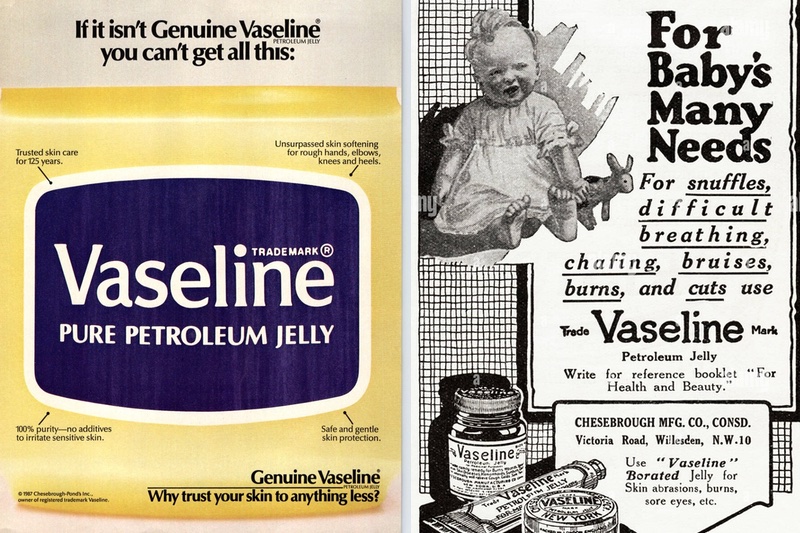
Vintage advertising for Vaseline's Original Petroleum Jelly
How Vaseline’s Original Petroleum Jelly came to be…
Vaseline’s story began in 1859 with 22-year-old chemist Robert Augustus Chesebrough, who learned about a natural, waxy ingredient rich in minerals during his travels to Titusville, Pennsylvania, US.
“Everything started from Chesebrough’s observations when he was working and exploring the oil industry,” says Amadeu.
“He noticed some workers were exploring a substance called ‘rod wax’ – which is naturally derived from oil – and were making a juice to spread it on their skin as a protective to help the wounds they had.
“It really intrigued Chesebrough, so he took some samples of the substance to his chemistry lab in Brooklyn and started experimenting and reformulating it.”
The aim was to find a solution to heal and protect skin, especially as


