
It is already widely accepted that competition in the beauty sector - or any sector - will require more than product quality. Most cosmetic brands today have stepped up sustainability or ESG commitments for brand differentiation and, of course, because of operational benefits.
Yet, competition requires more still, even more than a compelling narrative. In a saturated market, brands need to show they are connected to real-world benefits, and a powerful opportunity is in demonstrating measurable impact to women's empowerment.
The industry has the opportunity to empower women, not only through the products on the shelves but also through those who make it possible. Women are the largest and fastest-growing consumers of beauty products, responsible for an estimated 70-80% of global spending in the industry. These consumers want assurance that the women who cultivate the ingredients used in their beauty products are being treated fairly and are empowered.
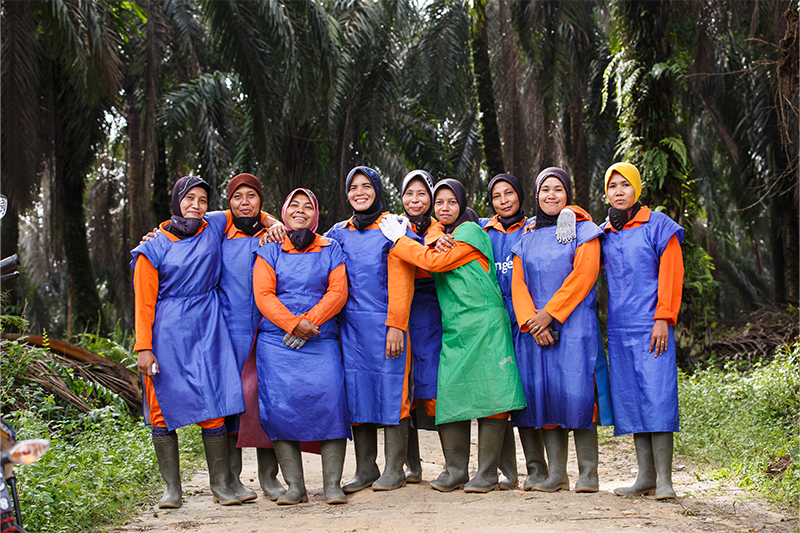
28% of certified independent oil palm smallholders (small-scale farmers) worldwide are women, and in Thailand, that number exceeds 40%. Leading brands have recognised that they can contribute to women's empowerment through sustainable sourcing, such as certified sustainable palm oil and derivatives, which are found as an ingredient in at least 70% of cosmetics.
Voluntary certification standards like the Roundtable on Sustainable Palm Oil (RSPO) help RSPO Member brands measure and communicate the social impact of sourcing certified sustainable oil palm products.
The RSPO is a global partnership to make palm oil sustainable, comprising more than 6,000 members in the entire palm oil value chain: growers, processors and traders, consumer goods manufacturers, retailers, banks and investors and environmental and social NGOs. Since 2004, this voluntary initiative has demonstrated that oil palm can be grown responsibly: protecting forests and wildlife habitats and respecting the rights of workers and communities.
One of several areas through which RSPO drives meaningful impact is stakeholder equity, especially for women and affected communities. In a male-dominated sector, the important role women play can unfortunately go unrecognised, for example, in lower pay and fewer leadership roles for both workers on estates and smallholders.
Speaking at an event this year, Rukaiyah Rafik, Head of Secretariat of independent smallholder group FORTASBI, an RSPO Member, commented that, “The biggest challenges faced by female smallholders are a lack of awareness about the importance of women’s participation, lack of capacity and knowledge, low self-confidence, and cultural factors that relegate women to domestic work.” She argues that while women are highly involved in the management of independent smallholder plantations, their participation is notably lower in cooperatives or associations that represent these smallholders.
“There has been a positive change due to the RSPO Standard’s emphasis on gender mainstreaming and support for organisations to ensure high female participation. Currently, most certified cooperatives include women in their structure. While the number of women in decision-making positions – such as managers – remains low, this increased involvement indicates progress.”
Across RSPO Certified mills and estates, women are stepping into more leadership roles, representing 15% and 25% of management and administration roles, respectively, a 2.6% increase in total administrative roles from 2023.
Women are often affected in different ways than men in the palm oil industry and therefore require different or additional employment support in addition to equitable pay. Non-discrimination, maternity protection and workplace safety are also fundamental to achieving gender equality in the sector. Through the 2024 RSPO Principles and Criteria - standards that certified growers must adhere to by May 2026 - RSPO requires certified estates to set up a Women’s Welfare and Empowerment Committee and provide a safe and secure meeting place for women workers. More importantly, the RSPO Member must respond to any issue that is presented by the committee.
By sourcing certified sustainable palm oil, beauty brands are empowering women from the source of their ingredients. Gender equity strengthens consumer confidence in brands, which in turn increases companies’ access to higher-value markets. With women yielding the largest share of purchasing power in the cosmetics industry, it is in the economic interest of companies to improve women's positions and communicate this to their female consumers.
To learn more about the RSPO and the benefits of being a member, visit www.rspo.org or contact info.eu@rspo.org.


