

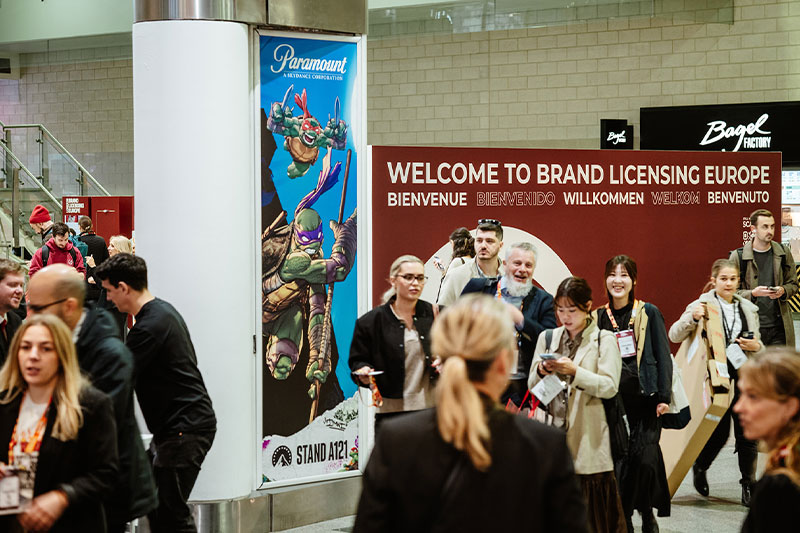
For the beauty industry, licensing has moved from novelty tactic to core strategy, and it’s proving its worth as an incredibly effective growth driver. Like many categories arriving later to the brand licensing party, beauty is responsible for some of the most creative consumer products around.
At its simplest, brand licensing is an agreement that allows one company to use another's intellectual property - a celebrity, character, fashion house name, film franchise - in exchange for royalties or fees. For the brand, it's a way to extend its reach into a new category without the cost of building, manufacturing or retail expertise from scratch. For the manufacturer or retailer, it's instant access to an audience, a story and an emotional connection that would otherwise take years, and significant marketing spend, to build organically.
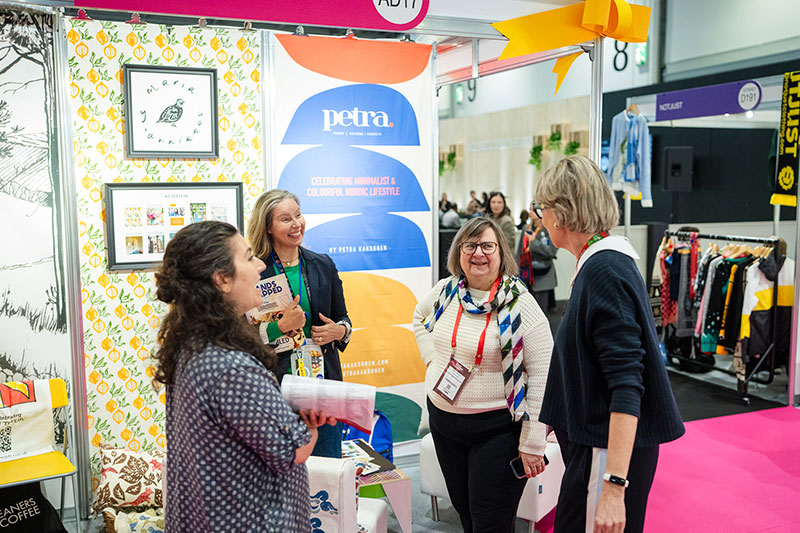
That emotional shortcut is exactly why licensing has taken off in beauty. Skincare and make-up are, at their core, defined by the emotions they stir in consumers, whether that’s confidence and aspiration, nostalgia, escapism, authenticity or belonging. A strong brand crossover taps directly into a fandom that already exists, turning a product launch into a cultural moment and marrying two entities to create a third unexpected but desired one. The best deals aren't just about slapping a logo on packaging; they often pair two brands whose audiences overlap just enough to expand reach and tantalise both parties, while staying distinct enough to stand tall in the partnership.
Six cosmetics collaborations getting it right
- KitKat x Risqué
KitKat recently teamed up with Brazilian beauty brand Risqué to launch a multisensory, limited-edition, nail polish collection. Inspired by KitKat's iconic chocolate bar flavours and colours, the range features six shades including a sumptuous chocolate brown, pistachio green, red, copper, vanilla and a playful teal, which all smell of chocolate when dry.
- Pat McGrath Labs x Candy Crush Saga
Video games is a powerful brand licensing category with tonnes of potential. Pat McGrath Labs founded by the eponymous world-famous make-up artist spotted this potential and took a playful route into gaming culture with its Candy Crush Saga partnership, translating King’s mobile game's saturated colour palette into wearable make-up and reaching a fanbase beauty rarely connects with through traditional marketing.
- ANUA x KPop Demon Hunters
Another huge trend powering consumer products is ‘everything Southeast Asia’ and Netflix's breakout hit KPop Demon Hunters tops the list of must have brands to collab with. No surprise then, that South Korean skincare brand ANUA was a chosen beauty partner. The brands’ mask collaboration arrived just in time to max out the opportunities presented by the show’s social media domination: a masterclass in timing and showed how moving quickly to tie a collab to a cultural momentum matters as much as the partnership itself.
- Half Magic x Euphoria
Indie make-up brand Half Magic took this principle to television, launching a limited-edition collection inspired by HBO's Euphoria earlier this year that let fans wear the show's signature glitter-and-glow aesthetic straight off screen.
- Dr PawPaw/Wild x Paddington Bear
Nostalgia (another massive brand licensing trend) is still doing plenty of heavy lifting. Both Dr PawPaw and Wild launched Paddington Bear collaborations, translating the character's marmalade sandwiches and duffel coat charm into lip balms and deodorants that appeal to parents and younger shoppers just as the third Paddington movie and London West End musical launched.
- e.l.f. Cosmetics x Liquid Death
Perhaps the most intriguing example of a recent successful cosmetics collab is one that didn’t rely on Hollywood, celebrity or the entertainment industry – and that was e.l.f. Cosmetics x Liquid Death. Their first collaboration in 2024 was a sellout. The second was a range of lip balms shaped like miniature cans of Liquid Death water. What’s also interesting is that this brand-to-brand partnership is built around a shared attitude from the same Gen Z fanbase. Collabs don’t always have to be about more – they can exist between brands with aligned values and a little courage to be bold.
Where the industry goes to make these deals happen
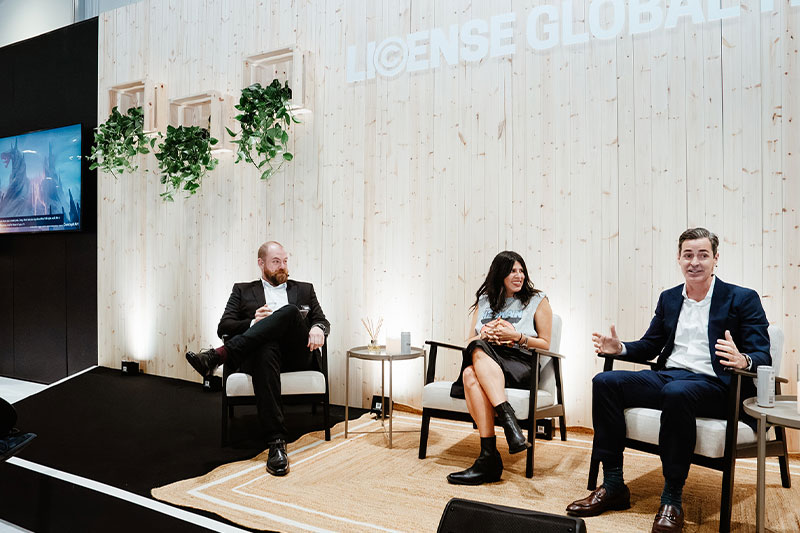
Collaborations like the ones outlined above don't happen by accident. They're often the result of relationships built years before a product reaches shelves - and much of that groundwork takes place at Brand Licensing Europe (BLE).
Taking place 6–8 October 2026 at Excel London, BLE is where over 11,000 professionals come together every year to kick-start this kind of deal-making. Retailers, manufacturers and suppliers meet with brand owners and agents from entertainment, character, fashion, sport, corporate licensing and more to explore what IPs are available and start the conversations that eventually become the hottest-selling, most-desired products in-store. Coca-Cola, Hello Kitty, Haribo, Barbie, Pringles, Angry Birds, Paddington and The Smurfs are just some of the brands at BLE this October with appeal for beauty brands.
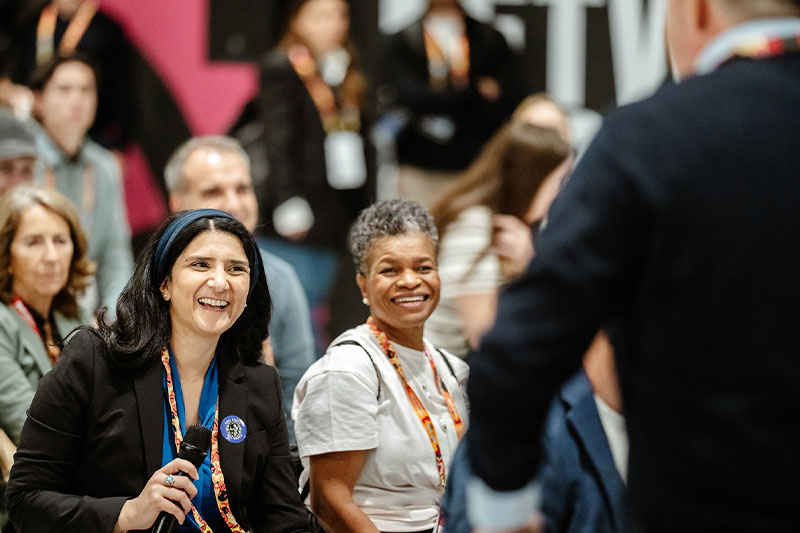
For beauty and cosmetics businesses specifically, BLE is the best opportunity in Europe to see which IP owners are actively looking for category partners, understand how deals are structured, spot trends, meet peers and discover which brands are generating the kind of fan energy beauty thrives on.
So, whether you're actively scouting your next big collaboration or simply want to understand why licensing products are filling up your feed, BLE is an unmissable opportunity to spend three days immersed in your brand’s future and may just be one of the most useful marketing and commercial investments you make this year.
BLE is free to attend if you register before 5th October – simply click here. The event takes place 6-8 October at Excel London.


