

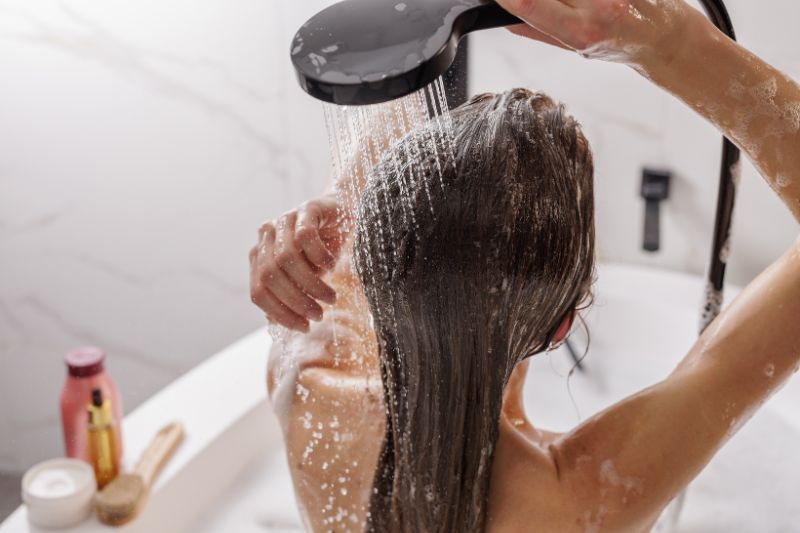
I hate baths. Spending 20 minutes sitting in a vat of water that is always just too hot or too cold, and swimming in the day’s dirt mixed with suds and soaps that are washed off your body just to surround it.
Realistically, you are going to rinse off with the shower head after (and, if you are like me, before as well) – so why not just skip out the middle man completely and stick to a shower?
It seems I am not alone in this thought process, with research from UK insurance company Direct Line Group revealing that one in five homes do not even have a bath tub – with more than half (56%) of those who do favouring a shower anyway.
This shift towards showers is slowly filtering its way into our shopping habits, with beauty brands now having to factor in favour of a quick wash over a bathing ritual into their product launches.
“We have absolutely seen a shift toward showers over the past few years,” explains Sophie Liddy, co-founder of Australian beauty brand Ciroa.
“When we first launched Ciroa, we explored a broad range of bath products – think bath bombs, bath milks, bubble baths – because bathing was still a key part of the self-care conversation.
“However, as our shower products gained stronger traction, it became clear that showers were emerging as the dominant daily ritual.”
Time poor, money poor
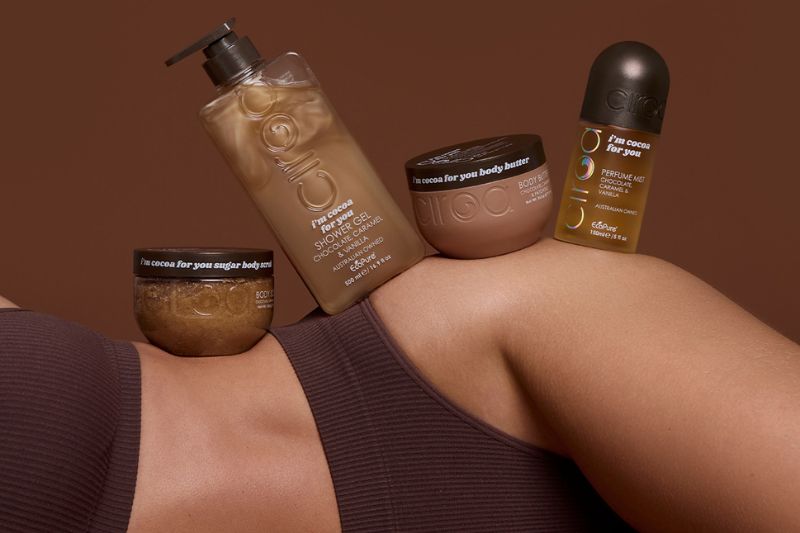
Australian body care brand Ciroa has built scented shower and body routines
Beyond personal preference, other factors are fuelling this shift in shower’s power.
In an age where so much of life feels ‘go, go, go’, consumers are turning to the shower for a faster way to get clean quickly, often able to be in-and-out in less time than it would have taken to run a bath in the first place.
“Baths are becoming less popular not because consumers do not value self-care, but because their lifestyles have fundamentally changed,” shares Liddy.
Direct Line reported 20% of people simply stated they ‘do not have time’ to bathe, while luxury bathroom supplier Sanctuary Bathrooms revealed that almost half (49%) of Brits prefer showers due to ‘time saving/convenience’.
Liddy continues: “Time is a major factor – as consumers become increasingly time-poor, baths are shifting from a regular ritual to an occasional luxury.”


