

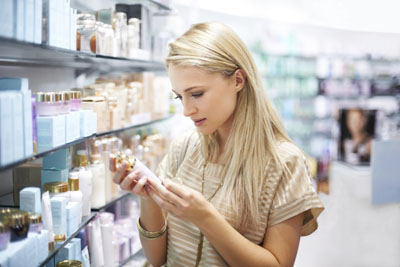
The changing beauty buying habits of UK consumers have been revealed in a new survey conducted by Videology UK.
The survey, which was carried out online by 1,459 respondents in April 2013, shows that one in seven or 14% of consumers now buy beauty online, although the majority do still purchase their cosmetics in-store, with 25% choosing to spend in retailers/pharmacies and 23% in department stores.
In addition, advertisements were singled out as the most common way that UK consumers discover new beauty or grooming products with 28% of respondents ticking this box. Meanwhile, 23% said they found out about new beauty or grooming products via friends/word of mouth, 15% by in-store shopping, 7% through online reviews/blogs and another 7% via magazines.
Interestingly, the age group that advertising impacts the most is those aged 45-49, at 34%, while those least affected by advertising are adults aged 18-24, at 24%. Furthermore, almost one out of three online video consumers discover new beauty products through advertisements, while one out of four rely on friends’ recommendations.
But when it actually comes to buying a new product, 34% are most influenced by television and 16% by in-store displays, while newspapers/coupons only influence 7% to buy a new product. When trying new products, friend recommendations come out on top, with 27% selecting this option. Meanwhile, 22% selected ‘other’ reasons, and 15% chose testimonials/results. In comparison, celebrity endorsements were only selected by 13% of respondents.
Finally, the survey also gave an insight into beauty consumers’ other interests and characteristics, and revealed that beauty product buyers are 66% more likely to be world travellers that the average person, 52% more likely to be body conscious, 44% more likely to be gardeners, 36% more likely to be white collar workers and 16% more likely to be pet owners.


