

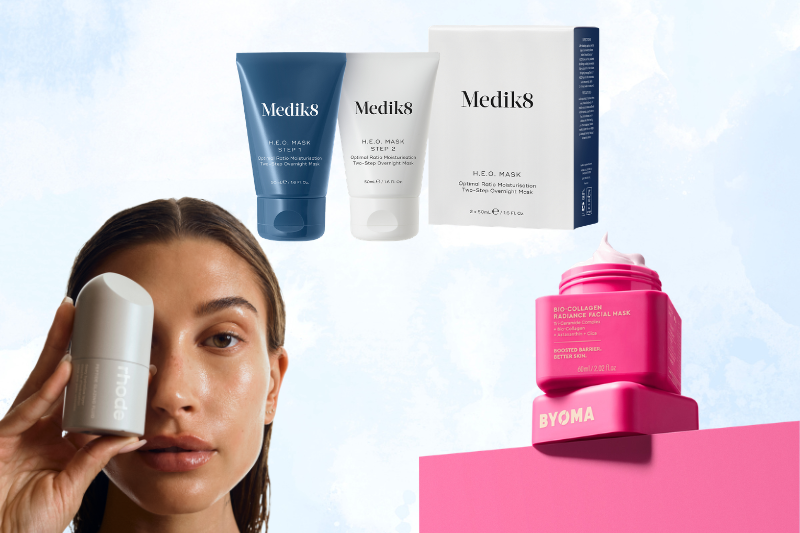
In my last column for Cosmetics Business, I wrote about discernment and the idea that today’s beauty consumer is no longer seduced by noise, but instead votes with genuine conviction.
If that argument holds, then what follows is almost inevitable: the beauty brands best equipped to meet this shift are not always the largest ones in the room.
According to analyst NielsenIQ’s 2026 Indie Beauty Boom report, independent beauty brands grew dollar sales by more than 22% last year, compared with more than 6% for conglomerates.
Indies now account for a formidable US$40bn in annual sales, with strong momentum across fragrance, skin care and cosmetics.
Have you launched an innovative product, brand or campaign in the past 12 months? Then you could be in with a chance of winning at this year's new and improved Pure Beauty Awards 2026. Click here for more information.
This is not a niche subplot; it is a structural shift that the global beauty industry must take seriously.
The definition of ‘indie’ is critical. NIQ classifies these brands as independently owned, operating outside multi-brand conglomerates, and generating under $300m in annual revenue.
These are not informal start-ups built purely on aesthetic appeal; they are sophisticated, strategically agile businesses, consistently outperforming some of the most well-resourced organisations in the world.
This divergence is telling.
While many beauty conglomerates increasingly lean on pricing strategies to drive growth, consumers are rewarding independent brands for something far more meaningful: originality, transparency and a genuine sense of discovery.
Indie brands are not winning on charm alone; they are winning because they offer something truly worth choosing.


