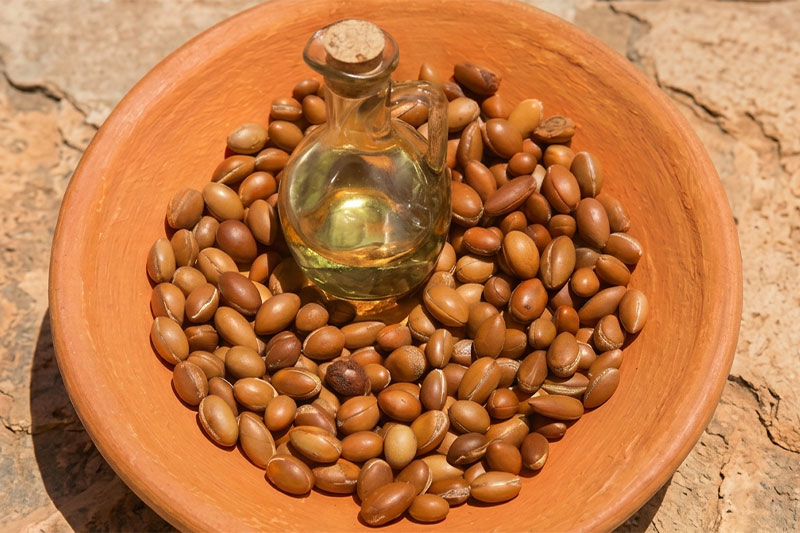
In 2023, The Soapery tested 6 samples of argan oil from leading online retailers. None of the samples contained any argan oil. They were either a blend of sunflower, palm and soybean or they were 100% sunflower oil.
After 2 years, The Soapery retested 5 samples from leading retailers. Once again, all samples contain no argan oil.
Argan oil is a prime target for adulteration because genuine argan is very expensive. To reduce costs and increase profit, some producers make blends to resemble argan oil but then don't disclose the ingredients list to their buyers. We’ve seen some people selling argan oil for a price you can’t even buy argan nuts for in Morocco.
- Andy Knowles, The Soapery Director
Many producers are misrepresenting the purity of their oils, but are retailers asking the right questions or simply looking the other way?
You expect honesty. You pay for purity. But are you getting either?
Adulterated oils may not deliver the benefits advertised in your products. For those with sensitive skin, adulterated oils may also increase the risk of adverse reactions. Above all, if you're paying for pure argan oil, that's exactly what you should receive.
So, how can you be sure the argan oil you buy is genuine?
Start by looking at your supplier. Is their argan oil fully traceable? If not, they have no idea where their argan oil has come from and what it is made of. Has your supplier done their own analysis on the oil? If they have not, they are relying on producers that could be deceiving them.
With 100% of the samples failing the purity tests, are you sure your supplier would pass?
If you want to read more about the purity of argan oil, read our blog: What is Argan Oil Made From? The Shocking Truth


